

In the ongoing evolution of healthcare, the use of protective equipment, automated diagnostic tools, and environmental controls is essential. Medical Face Shields, Automatic Nucleic Acid Extractors, and Air Purifiers are three critical components that enhance safety, diagnostic efficiency, and environmental health in medical settings. This article explores their significance and interrelated roles in ensuring a safe and effective healthcare environment.
1. Medical Face Shields: Essential Protection in Clinical Settings
Medical Face Shields are a crucial part of personal protective equipment (PPE) used by healthcare workers to protect against splashes, sprays, and droplets of bodily fluids.
a. Importance of Face Shields in Infection Control
Medical Face Shields provide a physical barrier that protects the face, particularly the eyes, nose, and mouth, from exposure to infectious agents. They are essential in preventing the transmission of diseases that can spread through respiratory droplets, such as COVID-19, influenza, and other airborne pathogens. The shields are typically used in conjunction with masks and goggles to offer comprehensive facial protection.
b. Design and Features of Medical Face Shields
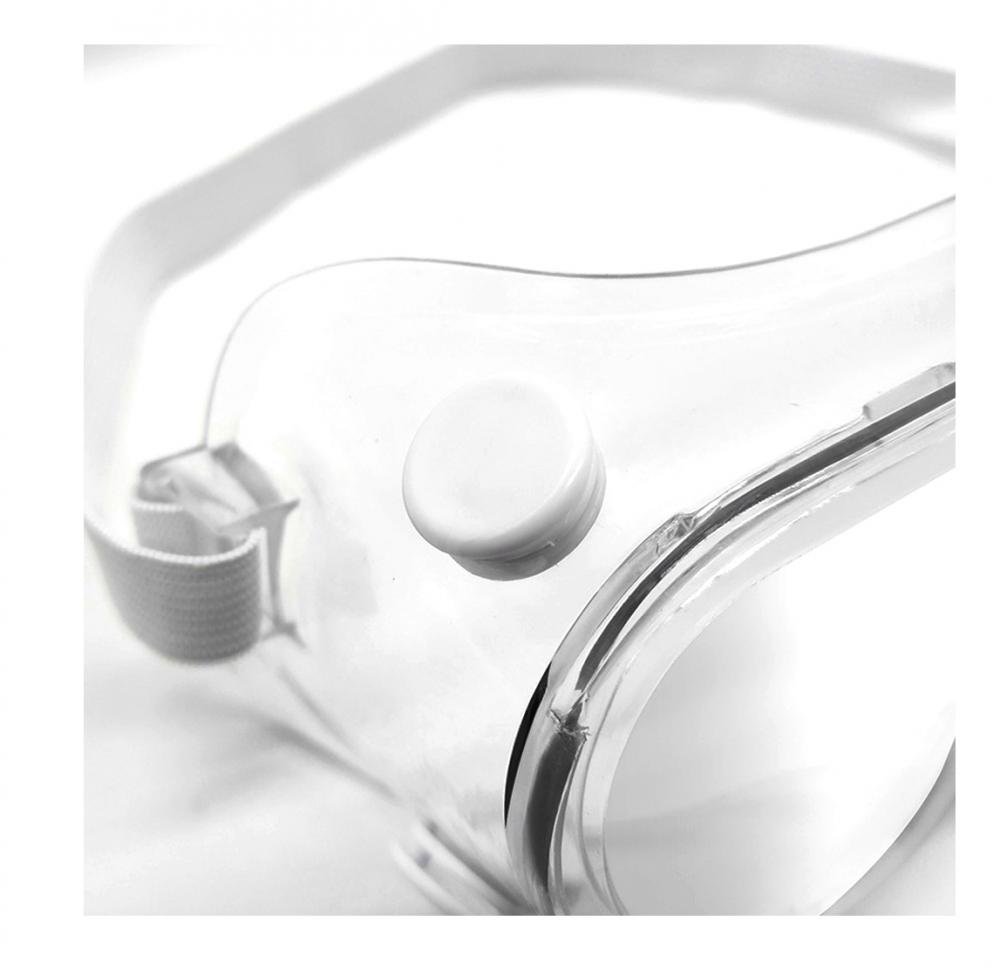
A well-designed Medical Face Shield is lightweight, comfortable to wear, and provides clear visibility without fogging. It typically consists of a transparent plastic visor that covers the entire face and is secured by an adjustable headband. Some face shields are designed to be reusable, made from materials that can withstand repeated cleaning and disinfection, while others are disposable for single-use applications.
2. Automatic Nucleic Acid Extractors: Enhancing Diagnostic Precision
Automatic Nucleic Acid Extractors are advanced laboratory devices designed to automate the process of nucleic acid extraction from biological samples, which is a critical step in molecular diagnostics.
a. Functionality of Automatic Nucleic Acid Extractors
Automatic Nucleic Acid Extractors streamline the process of isolating DNA or RNA from various biological samples, such as blood, saliva, or tissue. These machines use automated protocols to lyse cells, purify nucleic acids, and prepare them for downstream applications like PCR, sequencing, and genotyping. The automation reduces human error, increases throughput, and ensures consistent results, making them indispensable in modern diagnostics.
b. Advantages of Automation in Nucleic Acid Extraction
The automation of nucleic acid extraction offers several advantages, including increased efficiency, reproducibility, and safety. By minimizing manual handling of samples, Automatic Nucleic Acid Extractors reduce the risk of contamination and exposure to potentially infectious materials. They also allow laboratories to process large volumes of samples rapidly, which is especially important in high-demand situations like pandemic response or large-scale genetic testing.
3. Air Purifiers: Improving Indoor Air Quality in Healthcare Environments
Air Purifiers are devices designed to remove contaminants from the air, playing a significant role in maintaining clean and safe indoor environments, particularly in healthcare settings.
a. Importance of Air Purification in Healthcare
In healthcare facilities, maintaining high indoor air quality is essential to prevent the spread of airborne pathogens and protect the health of patients and staff. Air Purifiers help to remove dust, pollen, bacteria, viruses, and other airborne particles, reducing the risk of infections, particularly in areas where vulnerable populations, such as immunocompromised patients, are treated.
b. Types of Air Purifiers and Their Mechanisms
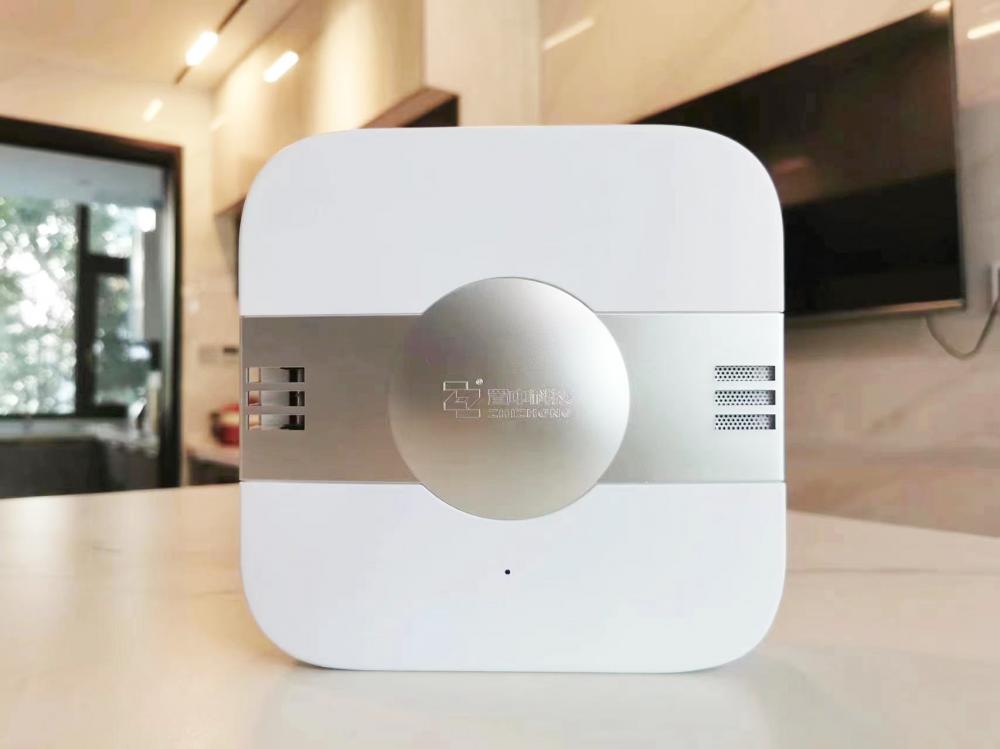
There are various types of Air Purifiers, including HEPA (High-Efficiency Particulate Air) filters, UV (Ultraviolet) air purifiers, and activated carbon filters. HEPA filters are effective at trapping particles as small as 0.3 microns, including many bacteria and viruses. UV air purifiers use ultraviolet light to kill or inactivate microorganisms, while activated carbon filters remove odors and volatile organic compounds (VOCs) from the air. The choice of air purifier depends on the specific needs of the environment and the types of contaminants present.
4. Integrating Medical Face Shields, Automatic Nucleic Acid Extractors, and Air Purifiers
The integration of Medical Face Shields, Automatic Nucleic Acid Extractors, and Air Purifiers represents a holistic approach to healthcare safety and diagnostics.
a. Comprehensive Protection and Diagnostics
In healthcare settings, Medical Face Shields provide essential protection for workers involved in diagnostic procedures, such as sample collection for nucleic acid extraction. Automatic Nucleic Acid Extractors then ensure that these samples are processed accurately and efficiently. Meanwhile, Air Purifiers maintain a clean environment, minimizing the risk of airborne contamination during these procedures. Together, these tools contribute to a safer, more efficient healthcare environment.
b. Enhancing Laboratory Efficiency and Safety
In diagnostic laboratories, the combination of Automatic Nucleic Acid Extractors and Air Purifiers enhances both safety and productivity. The extractors automate the labor-intensive process of nucleic acid extraction, reducing the potential for human error and exposure to infectious agents. Simultaneously, Air Purifiers ensure that the laboratory air remains free from contaminants, protecting both the samples and the staff.
5. Future Directions in Protective Equipment, Diagnostic Technology, and Environmental Health
The future of healthcare will likely see continued advancements in the design and function of Medical Face Shields, Automatic Nucleic Acid Extractors, and Air Purifiers.
a. Innovations in Medical Face Shields
Future developments in Medical Face Shields may focus on improving comfort, durability, and usability. Innovations could include adjustable visors with enhanced clarity, anti-fog coatings, and integration with other PPE, such as respirators or smart glasses that provide real-time information during medical procedures.
b. The Evolution of Automatic Nucleic Acid Extractors
As molecular diagnostics continue to advance, Automatic Nucleic Acid Extractors will likely become more sophisticated, with features like AI-driven protocols, increased automation, and compatibility with a wider range of sample types. These advancements will further streamline laboratory workflows and improve the accuracy and reliability of diagnostic tests.
6. The Essential Role of Medical Face Shields, Automatic Nucleic Acid Extractors, and Air Purifiers in Healthcare
Medical Face Shields, Automatic Nucleic Acid Extractors, and Air Purifiers are critical components of modern healthcare. They provide protection, ensure accurate diagnostics, and maintain clean environments, all of which are essential for delivering safe and effective medical care. As technology continues to advance, these tools will become even more integral to healthcare practices, contributing to better patient outcomes, enhanced safety for healthcare workers, and a more resilient healthcare system.