

What is an Automatic Biochemical Analyzer?
An automatic biochemical analyzer is a sophisticated instrument that performs biochemical tests on clinical samples, primarily blood and urine, to detect various diseases and conditions. It automates the entire process from sample introduction to the generation of results, minimizing the need for manual intervention. This automation enhances the accuracy, consistency, and speed of diagnostic procedures. The operator simply places the sample in the designated position, selects the required test program, and waits for the results. Since TECHNICON introduced the first automatic biochemical analyzer in 1957, these devices have revolutionized clinical biochemistry, paving the way for automated and high-throughput laboratory testing.
The principle of the automatic biochemical analyzer was first introduced by Leonard Skeggs in the 1950s. His pioneering work laid the foundation for subsequent advancements in this field. With continuous developments in science and technology, particularly in medical science, various types of automatic biochemical analyzers and diagnostic reagents have been developed. These analyzers can be broadly categorized into four types: continuous flow (pipeline) type, discrete type, separated type, and dry type, each with distinct characteristics and applications.
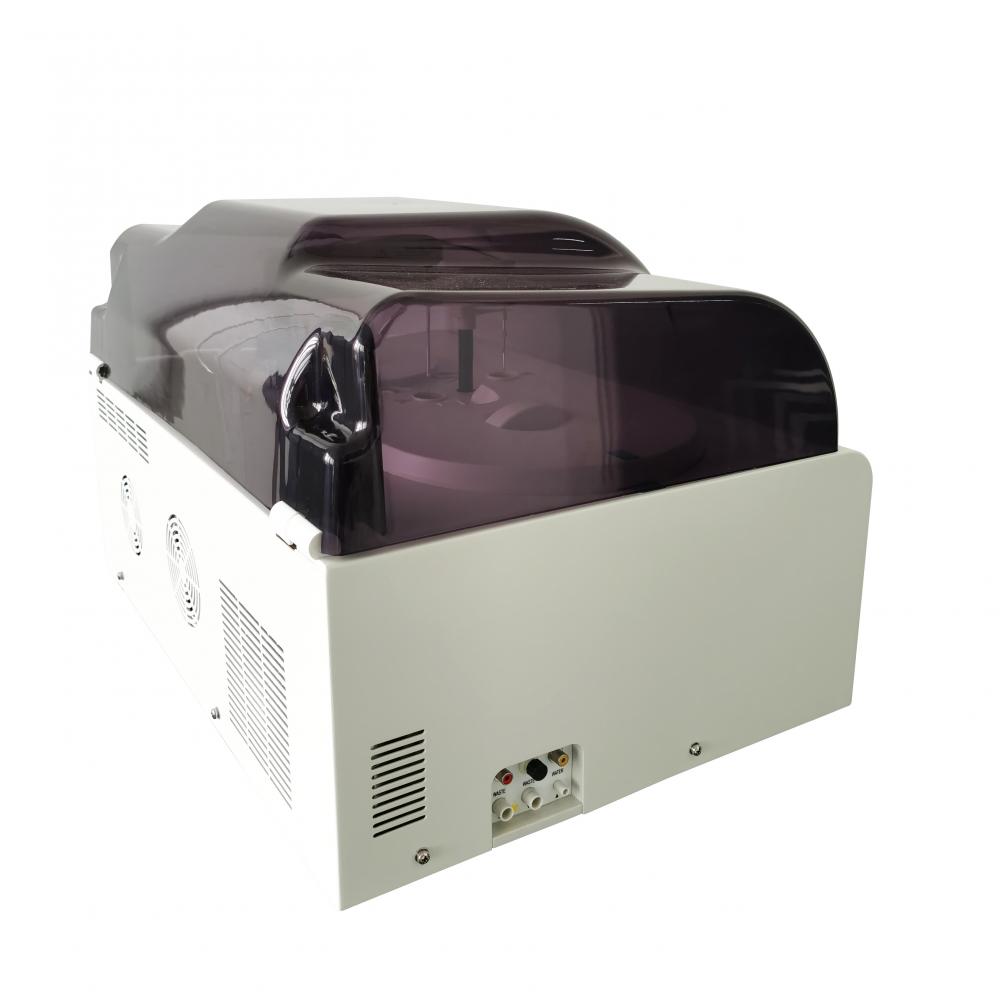
Continuous Flow (Pipeline) Analyzers
Continuous flow analyzers, also known as pipeline analyzers, were among the first types of automatic biochemical analyzers. They operate by continuously flowing the sample and reagents through a series of interconnected tubes and reaction chambers. This method allows for the simultaneous processing of multiple samples, making it highly efficient for large-scale testing.
Advantages:
- High throughput: Continuous flow analyzers can process a large number of samples in a short time, making them ideal for high-volume laboratories.
- Consistency: The continuous flow system ensures that all samples are treated uniformly, reducing variability in results.
- Automation: These analyzers require minimal manual intervention, reducing the risk of human error.
Disadvantages:
- Complexity: The interconnected tubing and reaction chambers can be complex to set up and maintain.
- Limited flexibility: Continuous flow systems are less adaptable to different types of tests and sample volumes compared to other analyzer types.
Despite these limitations, continuous flow analyzers remain a valuable tool in laboratories that require high-throughput testing with consistent results.
Discrete Analyzers
Discrete analyzers handle each sample separately, allowing for greater flexibility in testing. These analyzers can perform multiple tests on a single sample without cross-contamination, making them suitable for diverse clinical applications.
Advantages:
- Flexibility: Discrete analyzers can easily adapt to different types of tests and sample volumes.
- No cross-contamination: Since each sample is handled separately, there is no risk of cross-contamination between tests.
- Precision: Discrete handling ensures accurate and reliable test results.
Disadvantages:
- Lower throughput: Discrete analyzers may have a lower sample processing capacity compared to continuous flow analyzers.
- Higher reagent consumption: Each test requires its own set of reagents, potentially increasing the cost of testing.
Discrete analyzers are ideal for laboratories that require precise and flexible testing capabilities, particularly when dealing with diverse sample types and testing requirements.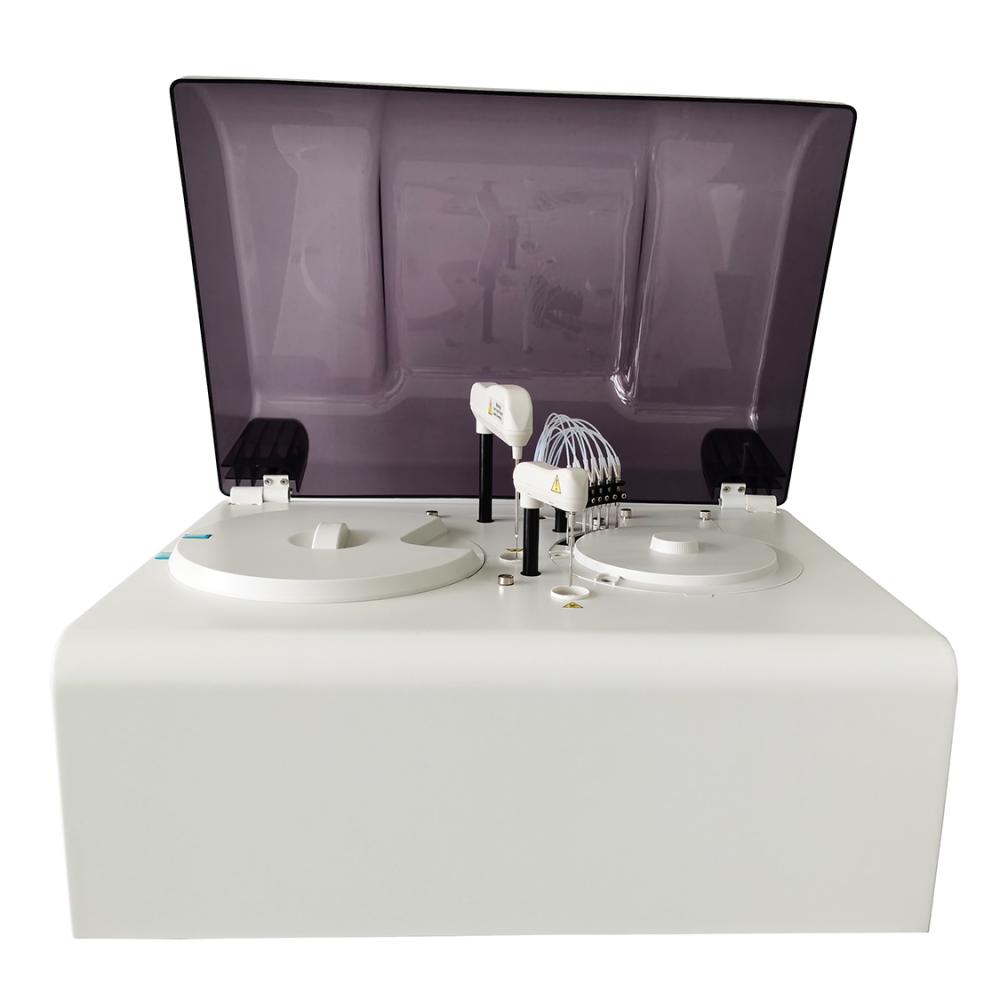
Dry Type Analyzers
Dry type analyzers use dry reagents, typically in the form of reagent strips or pads, to perform biochemical tests. These analyzers are known for their simplicity and ease of use, making them suitable for point-of-care testing and small laboratories.
Advantages:
- Simplicity: Dry type analyzers are straightforward to operate, requiring minimal training and setup.
- Portability: These analyzers are often compact and portable, making them ideal for use in various settings, including bedside testing and remote locations.
- Cost-effective: Dry reagents are generally more stable and have a longer shelf life, reducing the overall cost of testing.
Disadvantages:
- Limited test menu: Dry type analyzers may offer a limited range of tests compared to wet chemistry analyzers.
- Sensitivity: Some dry reagents may have lower sensitivity and specificity compared to their liquid counterparts.
Dry type analyzers are particularly useful for point-of-care testing and small laboratories that require a simple and cost-effective solution for biochemical testing.
Maintenance and Care of Automatic Biochemical Analyzers
Proper maintenance and care are crucial for ensuring the accuracy and longevity of automatic biochemical analyzers. Regular maintenance procedures include cleaning, calibration, and replacing worn or damaged components.
Cleaning:
- Regular cleaning of the sample and reagent compartments prevents contamination and ensures accurate results.
- Cleaning schedules should be followed as recommended by the manufacturer.
Calibration:
- Routine calibration with known standards is essential to maintain the accuracy and reliability of test results.
- Calibration should be performed according to the manufacturer’s guidelines and whenever there is a significant change in test results.
Component Replacement:
- Worn or damaged components, such as tubing, filters, and sensors, should be replaced promptly to avoid test errors.
- Regular inspection of components helps identify potential issues before they affect test performance.
Software Updates:
- Keeping the analyzer’s software up to date ensures compatibility with the latest reagents and test protocols.
- Software updates also enhance the functionality and performance of the analyzer.
By adhering to these maintenance practices, laboratories can ensure the optimal performance of their automatic biochemical analyzers and the accuracy of their test results.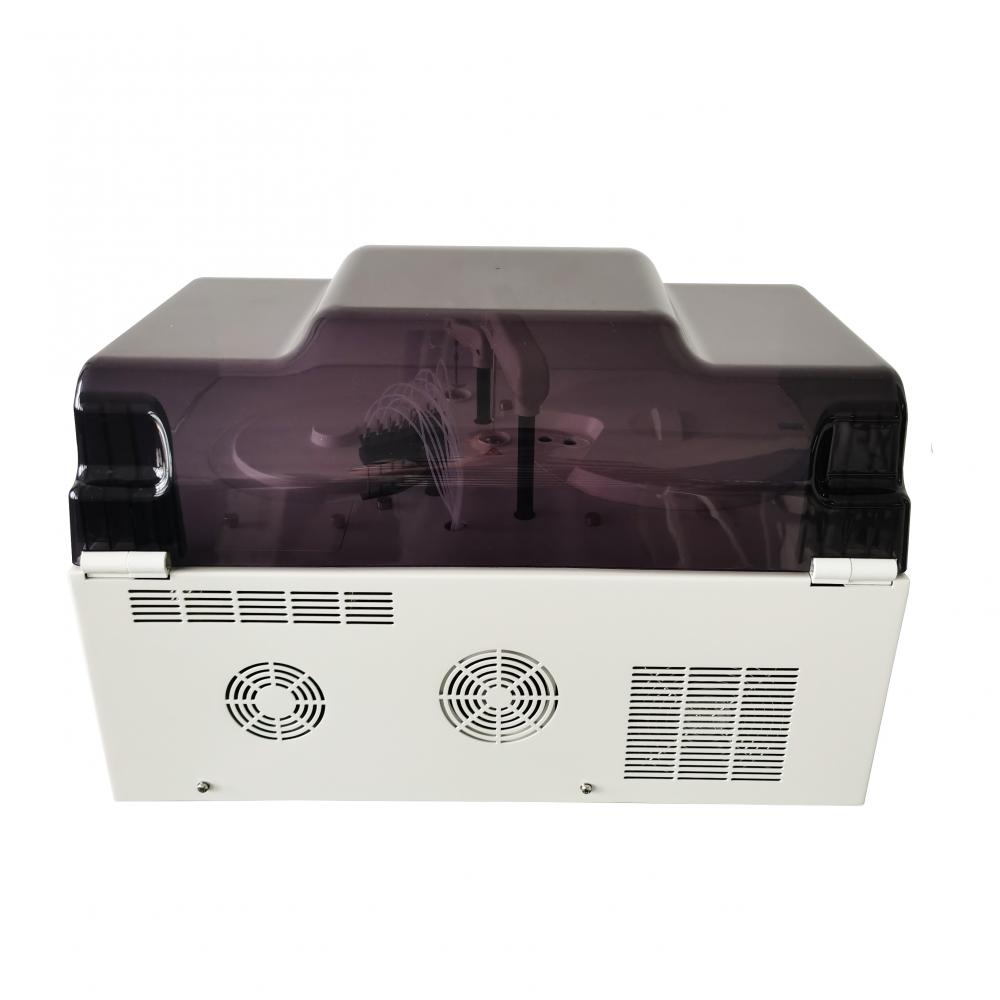
Future Trends in Automatic Biochemical Analyzers
The future of automatic biochemical analyzers is shaped by advancements in technology and an increasing demand for more efficient and accurate diagnostic tools. Several trends are expected to drive the development of these analyzers in the coming years:
Integration with Information Technology:
- Automatic biochemical analyzers are increasingly being integrated with laboratory information management systems (LIMS) and electronic medical records (EMR).
- This integration streamlines data management, reduces errors, and enhances the efficiency of laboratory operations.
Miniaturization:
- Advances in microfluidics and nanotechnology are leading to the development of smaller, more compact biochemical analyzers.
- Miniaturized analyzers are portable and suitable for point-of-care testing, enabling rapid diagnosis and treatment.
Enhanced Sensitivity and Specificity:
- Ongoing research aims to improve the sensitivity and specificity of biochemical tests, allowing for earlier and more accurate detection of diseases.
- Enhanced test performance reduces the likelihood of false positives and negatives, improving patient outcomes.
Automation and Artificial Intelligence:
- The incorporation of artificial intelligence (AI) and machine learning algorithms into automatic biochemical analyzers is revolutionizing diagnostic processes.
- AI algorithms can analyze complex data sets, identify patterns, and provide diagnostic insights, enhancing the accuracy and efficiency of testing.
Sustainability:
- The development of eco-friendly reagents and energy-efficient analyzers is becoming a priority in response to environmental concerns.
- Sustainable practices in the design and operation of biochemical analyzers reduce the environmental impact of clinical testing.
As these trends continue to evolve, automatic biochemical analyzers will become even more integral to clinical diagnostics, offering improved accuracy, efficiency, and accessibility in healthcare settings.