

1. Definition of Medical Isolation Shoe Covers
Medical Isolation Shoe Covers are a crucial component of personal protective equipment (PPE) used in healthcare settings. Designed to cover footwear, these covers create a barrier that prevents the transmission of contaminants from shoes to the surrounding environment and vice versa. They are particularly important in settings where there is a high risk of exposure to infectious agents, such as hospitals, clinics, and laboratories.
These shoe covers are typically made from durable, disposable materials that are resistant to fluids. Features such as top elastic bands, welded ties, and double layers on the sole enhance their protective capabilities. By providing a robust barrier against blood, body fluids, secretions, and airborne particles, Medical Isolation Shoe Covers help safeguard both healthcare workers and patients from potential infections.
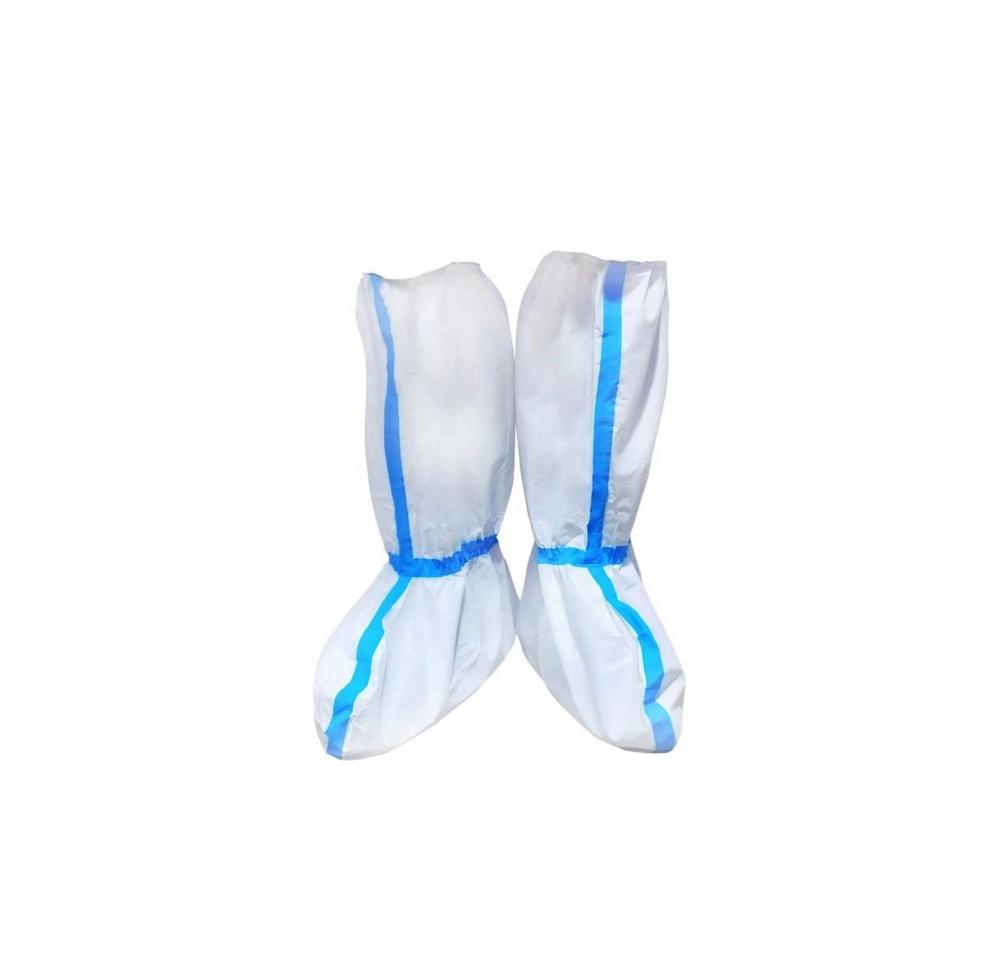
Comfort and flexibility are essential characteristics of effective Medical Isolation Shoe Covers. Healthcare professionals often wear these covers for extended periods, making it crucial that they do not impede movement or cause discomfort.
High-quality shoe covers are designed with materials that offer both flexibility and durability. The elastic top ensures a secure fit around the ankle, preventing the covers from slipping off during movement. This feature is particularly important in dynamic healthcare environments where professionals are constantly on the move.
Moreover, the materials used in these covers are lightweight yet strong, providing ease of movement without compromising on protection. The inner lining of some shoe covers is designed to reduce friction and enhance comfort, allowing healthcare workers to focus on their duties without the distraction of uncomfortable PPE.
3. How to Properly Wear Medical Isolation Shoe Covers
Proper usage of Medical Isolation Shoe Covers is critical to ensure maximum protection. Here are the steps to correctly don these covers:
- Preparation: Before wearing the shoe covers, ensure that your hands are clean. Use hand sanitizer or wash your hands thoroughly with soap and water.
- Inspection: Check the shoe covers for any visible defects or damages. Do not use covers that are torn or have holes.
- Application:
- Sit down and place one foot into the shoe cover, ensuring that the elastic band fits snugly around the ankle.
- Repeat the process with the other foot. Make sure that both covers are securely in place and that the elastic bands are not twisted.
- Adjustment: If the covers have welded ties, fasten them securely around the ankle for additional support and to prevent slippage.
- Check Fit: Ensure that the covers are comfortable and allow for free movement. Adjust as necessary to achieve a proper fit.
By following these steps, healthcare workers can ensure that their shoe covers provide the intended level of protection and do not interfere with their tasks.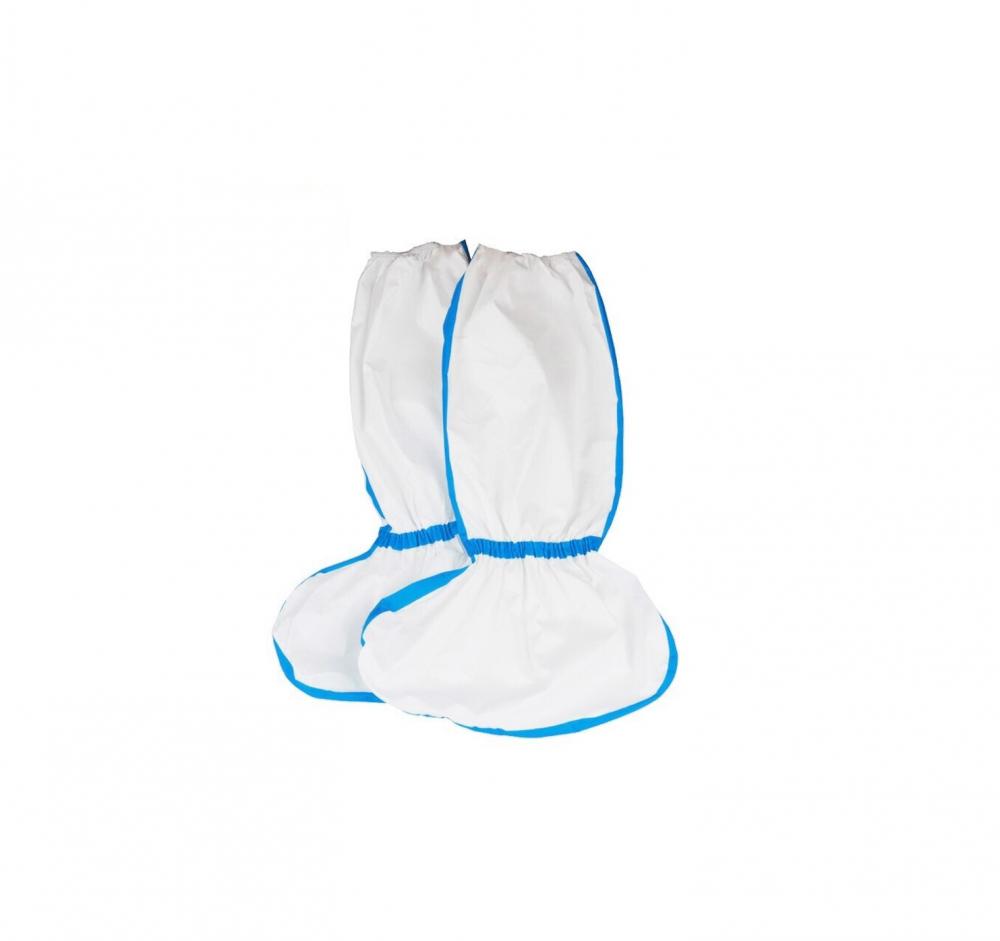
4. Importance of Blocking Blood, Body Fluids, and Secretions
Medical Isolation Shoe Covers play a vital role in infection control by preventing the transfer of blood, body fluids, and secretions. These substances can harbor a wide range of pathogens, including bacteria, viruses, and fungi, which can pose significant health risks if they come into contact with healthcare personnel or patients.
The double-layered soles of high-quality shoe covers are designed to be impermeable to liquids, providing a robust barrier against contamination. This is particularly important during surgical procedures, emergency interventions, and in areas where patients with infectious diseases are treated.
By blocking these fluids, shoe covers help maintain a sterile environment, reduce the risk of hospital-acquired infections (HAIs), and protect the overall health of both staff and patients. In the context of infectious disease outbreaks, such as COVID-19, the use of effective PPE, including shoe covers, is critical to preventing the spread of the virus.
5. Post-Use Handling and Disposal
Proper handling and disposal of Medical Isolation Shoe Covers after use are essential to prevent cross-contamination and ensure safety. Here are the steps for correct post-use procedures:
-
Removal:
- Sit down and carefully remove one shoe cover at a time, avoiding contact with the outer surface.
- Pull the cover down from the ankle, turning it inside out as you remove it. This traps any contaminants inside the cover.
- Repeat with the other shoe cover.
-
Disposal:
- Immediately dispose of the used shoe covers in a designated biohazard waste container. Do not discard them in regular trash bins.
- Ensure that the waste container is properly labeled and located in a secure area to prevent accidental exposure.
-
Hand Hygiene:
- After removing and disposing of the shoe covers, thoroughly clean your hands with soap and water or use an alcohol-based hand sanitizer.
By following these steps, healthcare workers can minimize the risk of spreading contaminants and maintain a safe working environment.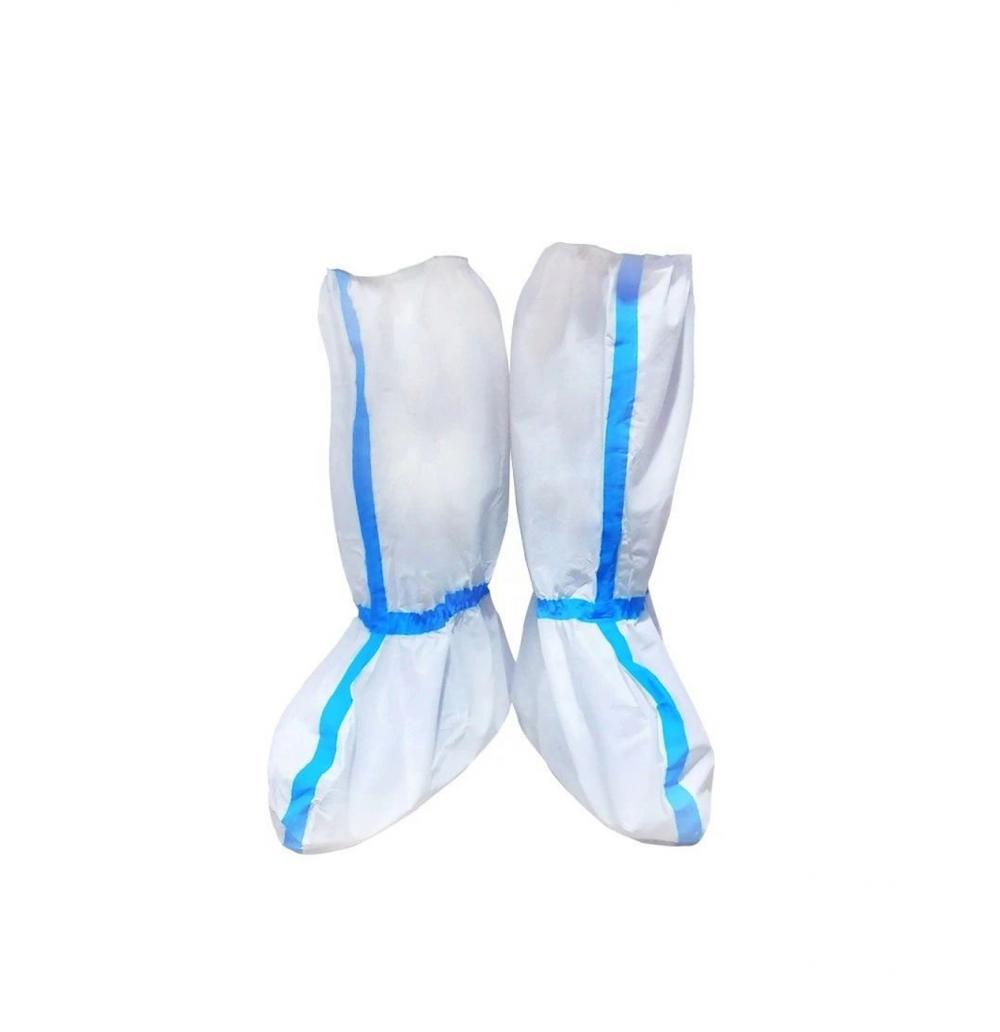
6. Application During the COVID-19 Pandemic
The COVID-19 pandemic has highlighted the critical importance of PPE, including Medical Isolation Shoe Covers, in protecting healthcare workers and controlling the spread of the virus. In COVID-19 treatment areas, these shoe covers are essential for preventing the transfer of the virus from contaminated surfaces to other areas of the healthcare facility.
During the pandemic, the use of disposable, non-skid, and durable shoe covers has become a standard practice in hospitals and clinics worldwide. These covers are part of a comprehensive PPE strategy that includes gowns, gloves, masks, and face shields.
The pandemic has also led to innovations in PPE design, with manufacturers developing shoe covers that offer enhanced protection and comfort. For example, some new designs feature improved fluid resistance, better breathability, and more secure fastening mechanisms.
Medical Isolation Shoe Covers are a vital component of PPE in healthcare settings, offering essential protection against infectious agents. By understanding their definition, ensuring comfort and flexibility, following proper usage guidelines, recognizing their importance in blocking contaminants, handling them correctly post-use, and appreciating their role during the COVID-19 pandemic, healthcare professionals can effectively utilize these covers to maintain safety and hygiene.