

How to Choose the Right Medical Isolation Goggles
Selecting the appropriate medical isolation goggles is crucial for ensuring optimal protection in various environments. Here are some key factors to consider:
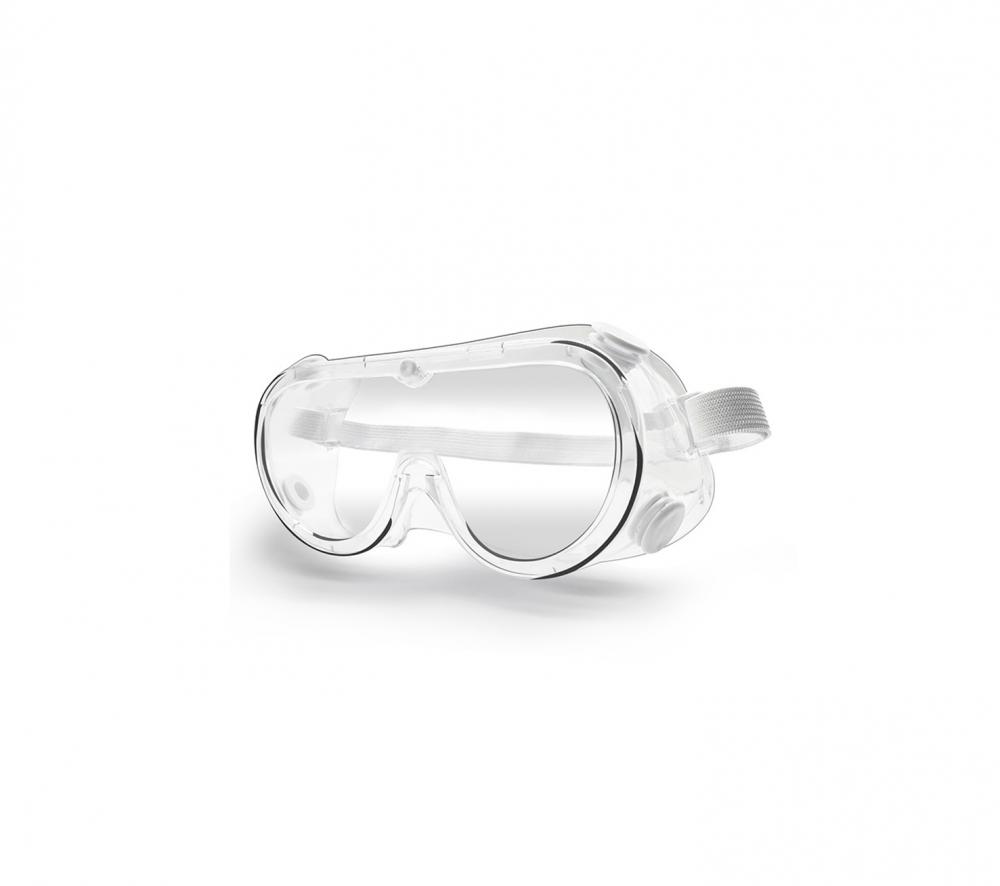
- Fit and Comfort: Ensure the goggles fit snugly around the eyes without causing discomfort. They should have adjustable straps and a soft, flexible frame to accommodate different face shapes and sizes.
- Lens Quality: The lenses should be made of high-quality, impact-resistant materials like polycarbonate. They should also be anti-fog and scratch-resistant to maintain clear vision during use.
- Seal and Coverage: Look for goggles that provide a tight seal around the eyes to prevent the entry of harmful particles. The coverage should be comprehensive, protecting the eye from all angles.
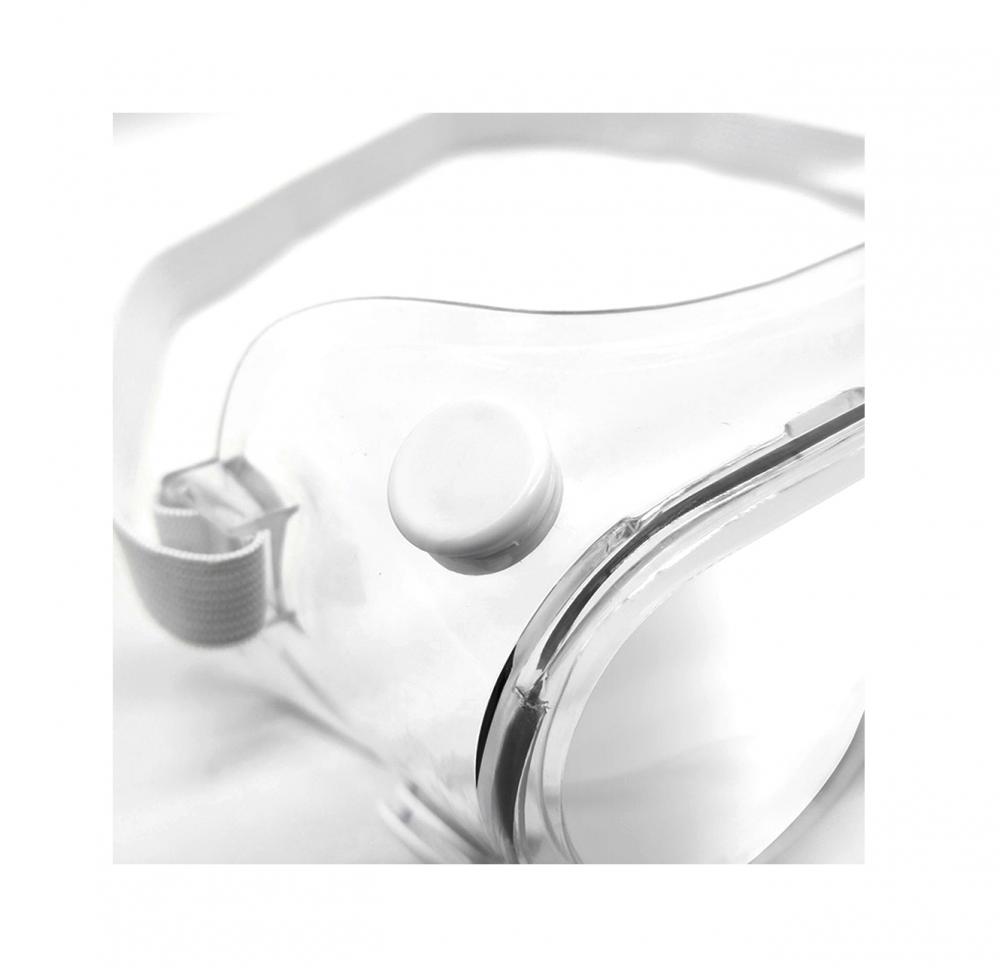
- Ventilation: Proper ventilation is essential to prevent fogging and ensure comfort during extended wear. Goggles with indirect ventilation systems are ideal as they allow air circulation while blocking contaminants.
- Compliance with Standards: Ensure the goggles meet relevant safety standards such as ANSI Z87.1 in the US or EN 166 in Europe. These standards ensure the goggles provide adequate protection against impacts, chemicals, and other hazards.
Differences Between Medical Isolation Goggles and Regular Safety Goggles
Medical isolation goggles and regular safety goggles may seem similar but serve different purposes and offer varying levels of protection:
- Protection Level: Medical isolation goggles are designed specifically for medical environments, providing a higher level of protection against biological hazards, including viruses and bacteria. Regular safety goggles are typically used in industrial settings and offer protection against physical hazards like dust and debris.
- Seal Quality: Isolation goggles provide a more secure seal around the eyes to prevent airborne pathogens from entering, while regular safety goggles may have looser seals that allow for better ventilation but less protection against fine particles.
- Lens Features: Medical goggles often come with anti-fog and anti-scratch coatings to maintain visibility in high-stress environments, whereas regular goggles may not have these features.
- Comfort and Design: Isolation goggles are designed for prolonged wear and comfort, with features such as foam padding and flexible frames. Regular safety goggles might prioritize durability over comfort.
Proper Steps for Using Medical Isolation Goggles
To maximize the protective benefits of medical isolation goggles, it’s important to use them correctly:
- Inspection: Before use, inspect the goggles for any damage or defects. Ensure the lenses are clear and the straps are intact.
- Wearing: Place the goggles over your eyes and adjust the straps for a secure and comfortable fit. Ensure there are no gaps between the goggles and your skin.
- During Use: Avoid touching or adjusting the goggles while in a contaminated area. If the goggles become foggy or uncomfortable, step out of the high-risk area to make adjustments.
- Removal: When removing the goggles, avoid touching the front part. Remove them by handling the straps to prevent contamination. Dispose of or disinfect the goggles according to your facility’s protocols.
- Storage: Store the goggles in a clean, dry place to prevent damage and contamination.
Cleaning and Maintenance of Medical Isolation Goggles
Proper cleaning and maintenance of medical isolation goggles are essential for ensuring their longevity and effectiveness:
- Cleaning: After each use, clean the goggles with mild soap and water or a disinfectant wipe. Avoid using harsh chemicals that could damage the lenses or frames.
- Disinfection: Use an appropriate disinfectant to kill any pathogens on the goggles. Follow the manufacturer’s instructions for the correct disinfection procedure.
- Drying: Allow the goggles to air dry completely before storing them. Avoid using towels or tissues that could leave lint on the lenses.
- Inspection: Regularly inspect the goggles for signs of wear and tear. Replace any damaged parts immediately to maintain optimal protection.
- Storage: Store the goggles in a protective case or a clean, dry environment to prevent contamination and damage.
Precautions When Using Medical Isolation Goggles
Using medical isolation goggles involves adhering to several precautions to ensure safety and effectiveness:
- Avoid Sharing: Do not share goggles between individuals without proper cleaning and disinfection. Sharing can lead to the spread of infections.
- Regular Replacement: Replace goggles that show signs of wear and tear, such as scratches on the lenses or damaged straps, to ensure continued protection.
- Proper Fit: Ensure the goggles fit properly every time you use them. A loose fit can compromise the protective seal.
- Avoid Touching: Minimize touching the goggles, especially the lenses, to prevent contamination and maintain clear visibility.
- Use with Other PPE: Wear goggles in conjunction with other personal protective equipment (PPE), such as face masks and gloves, for comprehensive protection.
Importance of Medical Isolation Goggles During the COVID-19 Pandemic
The COVID-19 pandemic has highlighted the critical role of medical isolation goggles in protecting healthcare workers and the public:
- Barrier Against Virus Transmission: Medical isolation goggles provide a barrier against respiratory droplets that can carry the SARS-CoV-2 virus, reducing the risk of infection.
- Protection in High-Risk Environments: Healthcare workers in hospitals, testing centers, and vaccination sites rely on isolation goggles to protect themselves while treating COVID-19 patients.
- Public Health Measures: The use of isolation goggles has been recommended in certain public health scenarios, such as during the handling of infectious waste or in crowded, enclosed spaces.
- Supporting Frontline Workers: Proper use of medical isolation goggles is essential for supporting frontline workers, enabling them to perform their duties safely and effectively.
- Preventing Community Spread: By wearing isolation goggles in high-risk settings, individuals can help prevent the community spread of COVID-19 and other infectious diseases.
Medical isolation goggles are a vital component of personal protective equipment in medical and high-risk environments. By choosing the right goggles, using them correctly, and maintaining them properly, individuals can significantly reduce the risk of infection and protect themselves and others during public health emergencies like the COVID-19 pandemic.