

Virus Sampling Tube: An Overview
Virus sampling tubes are essential tools in the field of diagnostics and public health. These tubes are designed to collect and transport virus specimens safely and efficiently, ensuring that the integrity of the sample is maintained from the point of collection to the laboratory. Typically, virus sampling tubes contain a medium that stabilize the virus, preventing degradation and preserving the viability of the viral RNA or DNA for subsequent analysis. The design of these tubes often includes a swab for sample collection and a secure, leak-proof cap to prevent contamination.

The Importance of Virus Sampling Tubes
The significance of virus sampling tubes cannot be overstated. They play a crucial role in the accurate detection and monitoring of viral infections, which is vital for timely diagnosis, treatment, and control of disease outbreaks. The integrity of the sample collected in these tubes ensures reliable laboratory results, which are essential for epidemiological studies, vaccine development, and public health interventions. Inaccurate or compromised samples can lead to false-negative results, misdiagnoses, and ineffective disease control measures, underscoring the importance of using high-quality virus sampling tubes.
Steps for Using a Virus Sampling Tube
Proper usage of virus sampling tubes is critical to obtaining accurate diagnostic results. Here are the general steps involved:
- Preparation: Ensure all necessary materials are available, including the virus sampling tube, swab, personal protective equipment (PPE), and labeling materials.
- Collection: Using the provided swab, collect the sample from the appropriate site (e.g., nasopharyngeal, oropharyngeal, or other relevant sites) while following the recommended procedures to avoid contamination.
- Insertion: Place the swab with the collected sample into the virus sampling tube containing the transport medium.
- Sealing: Securely close the tube with its cap to prevent leakage and contamination.
- Labeling: Clearly label the tube with the patient’s information, collection date, and other relevant details.
- Transport: Transport the tube to the laboratory following the recommended guidelines to ensure the sample remains stable and uncontaminated.
Virus Sampling Tubes in the COVID-19 Pandemic
The COVID-19 pandemic has highlighted the critical role of virus sampling tubes in managing and controlling viral outbreaks. During the pandemic, the demand for these tubes surged as they became indispensable for testing and monitoring SARS-CoV-2, the virus responsible for COVID-19. Efficient and widespread testing has been a cornerstone of public health strategies to track the spread of the virus, implement quarantine measures, and ultimately control the pandemic. Virus sampling tubes facilitated mass testing efforts, enabling timely diagnosis and helping to curb the spread of the virus. Additionally, the pandemic accelerated advancements in virus sampling technologies, leading to the development of more efficient and reliable tubes.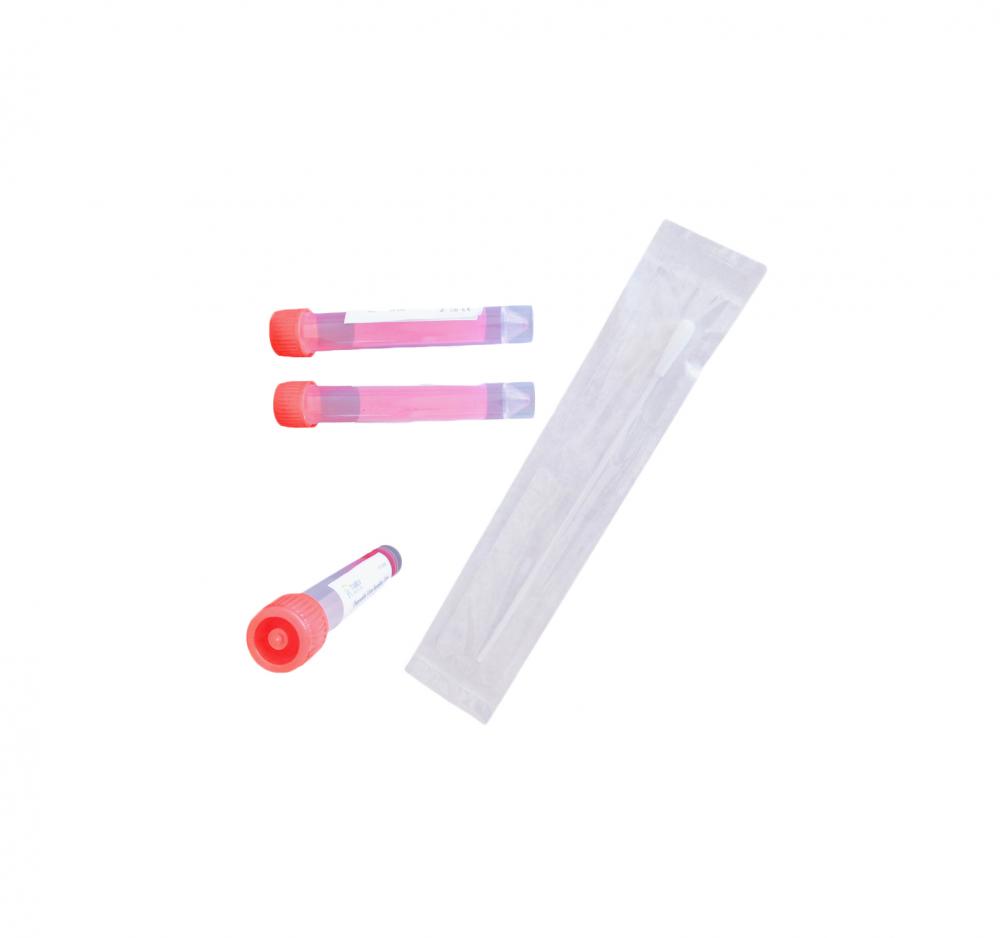
Different Types of Virus Sampling Tubes
There are various types of virus sampling tubes available, each designed for specific applications and requirements. The primary types include:
- Universal Transport Medium (UTM) Tubes: These are versatile tubes suitable for the collection and transport of a wide range of viruses, including respiratory viruses and enteroviruses.
- Viral Transport Medium (VTM) Tubes: These tubes are specifically designed for viral culture and are commonly used in clinical diagnostics and research laboratories.
- Molecular Transport Medium (MTM) Tubes: These tubes are optimized for the preservation of viral RNA or DNA, making them ideal for molecular diagnostic techniques such as PCR (Polymerase Chain Reaction).
- Dry Swab Tubes: These tubes do not contain transport medium and are used when immediate processing of the sample is possible, or when the virus is stable without a medium.
- Specialized Tubes: There are also specialized tubes designed for specific viruses or applications, such as those used for influenza or HIV testing.

Factors to Consider When Choosing a Virus Sampling Tube
Selecting the appropriate virus sampling tube involves several critical considerations:
- Purpose of Testing: Determine whether the tube will be used for viral culture, molecular diagnostics, or other specific applications. This will influence the choice of transport medium and tube type.
- Stability Requirements: Consider the stability of the virus in the chosen medium and whether it will preserve the viral RNA or DNA effectively until processing.
- Compatibility with Testing Methods: Ensure that the sampling tube is compatible with the diagnostic techniques and equipment used in the laboratory, such as PCR or culture methods.
- Regulatory Compliance: Verify that the virus sampling tube complies with relevant regulatory standards and guidelines, ensuring its safety and efficacy.
- Ease of Use: Choose tubes that are user-friendly and come with clear instructions to minimize the risk of errors during sample collection and transport.
- Supply Chain and Availability: Consider the availability and reliability of the supplier to ensure a consistent supply of virus sampling tubes, especially during high-demand periods such as pandemics.
Virus sampling tubes are pivotal in the accurate detection and management of viral infections. Understanding their importance, proper usage, and the factors involved in choosing the right type can significantly impact the effectiveness of diagnostic and public health efforts. By selecting the appropriate virus sampling tube, healthcare professionals can ensure the integrity of samples and the accuracy of diagnostic results, ultimately contributing to better patient outcomes and more effective disease control measures.