

1. What is a POCT Analyzer?
Point-of-Care Testing (POCT) Analyzers are medical diagnostic devices designed for rapid and on-the-spot testing of patient samples. These analyzers have revolutionized the healthcare industry by providing immediate results, facilitating quick decision-making, and improving patient care. Unlike traditional laboratory tests that require samples to be sent offsite, POCT analyzers deliver results at the point of care, such as a patient’s bedside, clinics, or even in remote locations.
The primary function of a POCT analyzer is to perform diagnostic tests directly on patient samples such as blood, urine, or saliva. These tests cover a wide range of medical conditions, including blood glucose levels, cholesterol levels, coagulation status, infectious diseases, and more. The development of POCT technology has significantly reduced the turnaround time for test results, which is crucial in emergency situations and for continuous monitoring of chronic conditions.
2. Common Types of POCT Analyzers
POCT analyzers come in various forms, each tailored to specific medical needs and environments. Some of the most common types include:
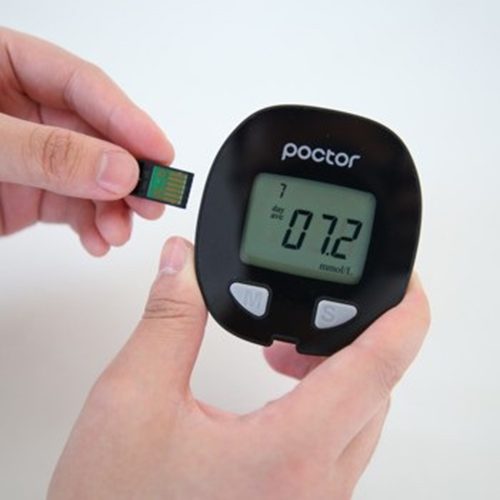
- Blood Glucose Monitors: Widely used by diabetic patients for daily monitoring of blood sugar levels. These devices are small, portable, and provide instant results.
- Portable Blood Gas Analyzers: Used in critical care settings to measure blood gas levels, such as oxygen and carbon dioxide, directly from a small blood sample.
- Urine Analyzers: Utilized for testing multiple parameters in urine, including glucose, ketones, pH, and protein levels. These are often used in primary care and emergency settings.
- Coagulation Analyzers: These devices measure blood clotting times and are essential for patients on anticoagulant therapy.
- Infectious Disease Test Kits: These kits rapidly detect pathogens such as influenza, HIV, and COVID-19, allowing for quick diagnosis and treatment decisions.
- Cardiac Marker Analyzers: Used to detect biomarkers associated with heart attacks, enabling timely intervention in cardiac emergencies.
Each type of POCT analyzer is designed to meet the specific requirements of different medical conditions, offering versatility and broad application across various healthcare settings.
3. The Advantages of Rapid Diagnosis
One of the most significant advantages of POCT analyzers is their ability to provide rapid diagnostic results. This feature is particularly beneficial in emergency situations where time is critical. For instance, in a suspected heart attack, a POCT analyzer can quickly measure cardiac markers, allowing for immediate diagnosis and treatment. This rapid turnaround can save lives by facilitating prompt medical interventions.
In outpatient and primary care settings, rapid diagnostics improve patient flow and reduce wait times. Patients receive their test results during the same visit, which enhances the efficiency of medical consultations and reduces the need for follow-up appointments. This not only improves patient satisfaction but also optimizes healthcare resource utilization.
Furthermore, rapid diagnostics are essential for managing infectious diseases. During outbreaks of diseases such as COVID-19, the ability to quickly identify infected individuals is crucial for controlling the spread of the virus. POCT analyzers provide healthcare providers with the tools to conduct mass testing and obtain results on the spot, leading to faster isolation and treatment of affected individuals.
4. Data Accuracy and Reliability
The accuracy and reliability of test results are paramount in medical diagnostics, and POCT analyzers are designed to meet high standards in these areas. Modern POCT devices incorporate advanced technologies to ensure precise measurements and consistent performance. These technologies include:
- Advanced Sensors: High-quality sensors are used to detect and measure specific analytes in patient samples with high sensitivity and specificity.
- Automated Calibration: Many POCT analyzers feature automated calibration processes that adjust the device’s settings to maintain accuracy over time.
- Quality Control Measures: Built-in quality control checks ensure that the device operates correctly and that the test results are reliable. Some devices also provide alerts or error messages if a test fails quality control criteria.
- Robust Software Algorithms: Sophisticated software algorithms process the raw data from the sensors, minimizing the risk of errors and enhancing the reliability of the results.
These features collectively contribute to the high accuracy and reliability of POCT analyzers, making them a trusted tool in medical diagnostics.
5. Portability and Ease of Use
Another significant advantage of POCT analyzers is their portability and ease of use. These devices are typically compact, lightweight, and designed for use in a variety of settings, from hospitals and clinics to patients’ homes and remote areas. The portability of POCT analyzers makes them ideal for point-of-care testing, where immediate results are required.
Ease of use is a critical factor in the design of POCT analyzers. They are often equipped with user-friendly interfaces, such as touchscreens and simple navigation menus, to facilitate operation by healthcare providers with minimal training. Many devices also feature automated processes, such as sample handling and data analysis, which reduce the risk of user error and streamline the testing procedure.
For patients, the simplicity and convenience of POCT devices mean that they can perform certain tests at home, reducing the need for frequent visits to healthcare facilities. This is particularly beneficial for chronic disease management, where regular monitoring is essential. The ability to conduct tests independently empowers patients to take an active role in their healthcare and improves adherence to treatment plans.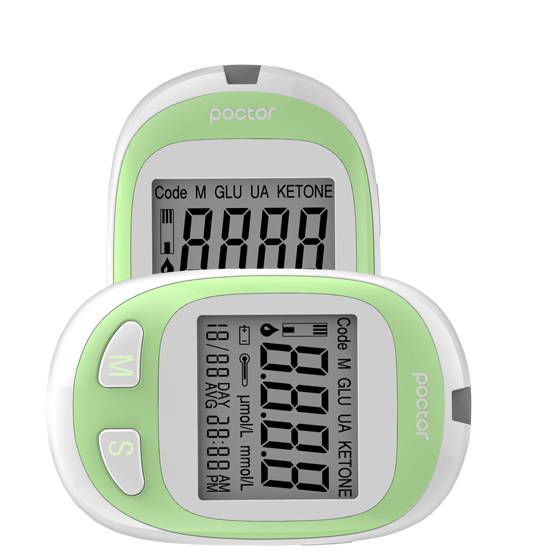
6. Daily Maintenance and Care of POCT Analyzers
Maintaining POCT analyzers in optimal condition is essential for ensuring their accuracy and reliability. Regular maintenance and care involve several key practices:
- Routine Cleaning: Keeping the device clean is crucial to prevent contamination and ensure accurate test results. Follow the manufacturer’s guidelines for cleaning and disinfecting the analyzer.
- Calibration Checks: Regular calibration checks are necessary to maintain the device’s accuracy. Some analyzers have automated calibration features, while others require manual calibration using standard solutions.
- Quality Control Testing: Conduct routine quality control tests to verify the analyzer’s performance. Use control samples provided by the manufacturer to check the accuracy and precision of the test results.
- Software Updates: Keep the device’s software up to date to benefit from the latest improvements and features. Manufacturers often release software updates that enhance performance and fix any known issues.
- Proper Storage: Store the analyzer in a suitable environment, away from extreme temperatures, humidity, and direct sunlight. Proper storage conditions help preserve the device’s functionality and longevity.
- Training and Education: Ensure that all users are adequately trained in operating the analyzer and performing maintenance tasks. Regular training sessions can help prevent errors and prolong the device’s lifespan.
By adhering to these maintenance practices, healthcare providers can ensure that their POCT analyzers continue to deliver accurate and reliable results, supporting effective patient care.
POCT analyzers have become an indispensable tool in modern healthcare, offering rapid diagnostics, high accuracy, and ease of use. Their portability and versatility make them suitable for a wide range of medical settings, from hospitals and clinics to remote areas and patients’ homes. By understanding the technology, types, advantages, and maintenance requirements of POCT analyzers, healthcare providers can maximize their benefits and improve patient outcomes.