

1. What is a Cholesterol Analyzer?
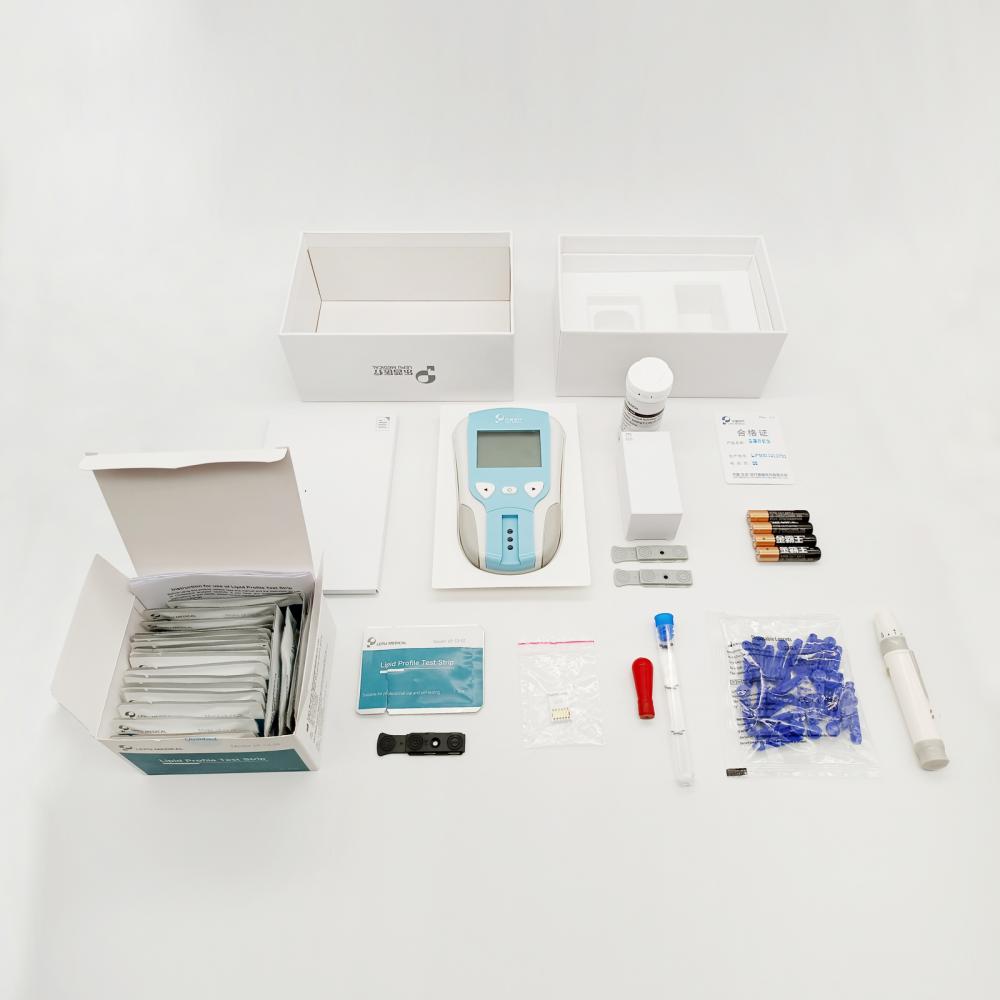
A Cholesterol Analyzer is a medical diagnostic device used to measure the levels of cholesterol in the blood. Cholesterol, a type of fat found in your blood, is vital for building healthy cells, but high levels can increase the risk of heart disease. Traditionally, cholesterol testing required a visit to a healthcare provider and waiting for results from a laboratory. However, the development of point-of-care testing (POCT) devices, like the Cholesterol Analyzer, has revolutionized this process by providing immediate results.
These analyzers are particularly beneficial for managing and monitoring cholesterol levels, especially for individuals with hypercholesterolemia or those at risk of cardiovascular diseases. They are used in various settings, including hospitals, clinics, community health centers, and even at home, making cholesterol testing more accessible and convenient.
2. How Does a Cholesterol Analyzer Work?
The operation of a Cholesterol Analyzer involves several sophisticated technologies to ensure accurate and reliable measurements. Here’s a basic overview of how it works:
- Sample Collection: A small blood sample is usually obtained through a finger prick. The blood is then placed on a test strip or into a cartridge designed for the analyzer.
- Chemical Reaction: The test strip or cartridge contains reagents that react with the cholesterol in the blood. This reaction produces a measurable signal, often a color change or an electrical current.
- Detection: The analyzer detects the signal produced by the chemical reaction. Advanced sensors and optical systems are used to read and interpret this signal accurately.
- Data Analysis: The device’s software processes the detected signal and calculates the cholesterol levels. The results are then displayed on the analyzer’s screen within minutes.
Modern Cholesterol Analyzers are designed to be user-friendly, with automated processes that reduce the need for manual intervention, thus minimizing the potential for human error.
3. The Advantages of Rapid Diagnosis
One of the primary benefits of using a Cholesterol Analyzer is the ability to obtain rapid diagnostic results. This immediacy offers several significant advantages:
- Immediate Feedback: Patients receive their cholesterol levels during the same visit, allowing healthcare providers to make quick, informed decisions regarding treatment and lifestyle adjustments.
- Enhanced Patient Engagement: Rapid results can motivate patients to take immediate action towards improving their cholesterol levels, whether through medication, diet, or exercise.
- Efficient Workflow: For healthcare providers, quick results streamline the diagnostic process, reducing the need for follow-up visits and improving overall efficiency in patient management.
- Timely Interventions: In cases of critically high cholesterol levels, immediate results enable prompt medical interventions, potentially preventing severe cardiovascular events.
- Convenience: Patients do not need to return for results or wait for days, making the testing process more convenient and less stressful.
The quick turnaround time of Cholesterol Analyzers plays a crucial role in managing cardiovascular health, especially in high-risk patients.
4. Suitable for Non-Professional Use
One of the remarkable features of modern Cholesterol Analyzers is their design, which makes them suitable for use by non-professionals. This user-friendly aspect is particularly beneficial for home monitoring. Here’s why they are suitable for non-professional use:
- Intuitive Design: Most analyzers come with clear instructions and simple interfaces, often featuring touchscreen displays and straightforward navigation menus.
- Automated Processes: Many devices automate key steps such as sample analysis and result calculation, reducing the need for user intervention.
- Minimal Training Required: Users can quickly learn how to operate the analyzer with minimal training, thanks to the intuitive design and automated features.
- Error Reduction: Automated systems and built-in quality control measures help minimize the risk of user errors, ensuring reliable results even when used by individuals without medical training.
- Convenient Home Testing: Patients can test their cholesterol levels from the comfort of their homes, which is especially beneficial for those who require regular monitoring or have mobility issues.
By making cholesterol testing accessible to non-professionals, these analyzers empower individuals to take an active role in managing their health.
5. Calibration and Quality Control
Ensuring the accuracy and reliability of a Cholesterol Analyzer is critical, and this is achieved through regular calibration and stringent quality control measures. Here’s how these processes work:
- Calibration: Calibration involves adjusting the analyzer to ensure it provides accurate measurements. This is typically done using calibration standards provided by the manufacturer. Regular calibration checks help maintain the device’s accuracy over time.
- Internal Quality Control: Many analyzers feature built-in quality control mechanisms that automatically check the device’s performance during each test. This includes verifying the functionality of sensors and the accuracy of the reagent response.
- External Quality Control: Users can perform external quality control tests using control solutions that mimic blood samples with known cholesterol levels. This helps verify that the analyzer is providing correct results.
- Maintenance Alerts: Some devices come with maintenance alerts that remind users when calibration or quality control checks are due, ensuring that the analyzer remains in optimal working condition.
- Error Detection: Advanced analyzers can detect and alert users to potential errors, such as insufficient sample volume or expired test strips, preventing inaccurate results.
By incorporating these calibration and quality control measures, Cholesterol Analyzers ensure the reliability of test results, which is essential for effective cholesterol management.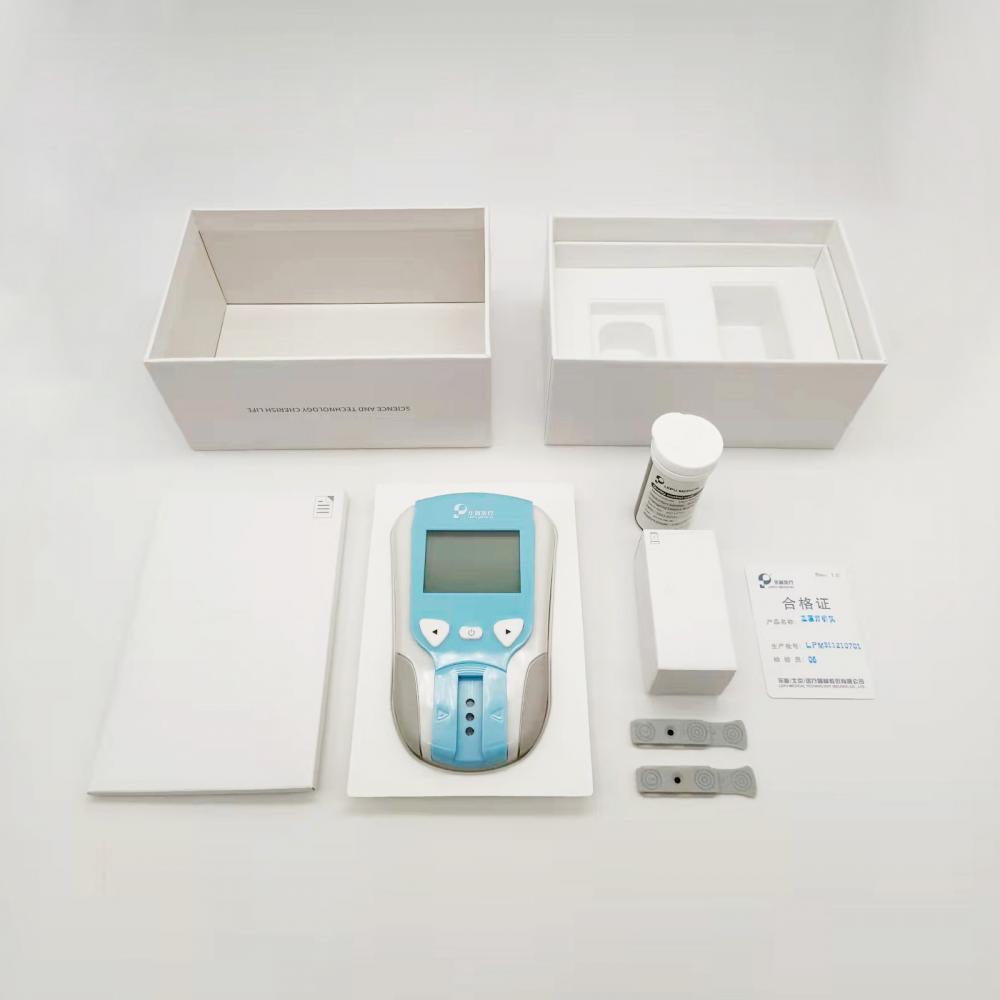
6. Compact and Lightweight Design
The design of Cholesterol Analyzers prioritizes portability and ease of use, making them ideal for various settings. Here are some key features of their compact and lightweight design:
- Portability: The small size and lightweight nature of these devices make them easy to transport, allowing for use in multiple locations, including homes, clinics, and remote areas.
- Space-Saving: Their compact design requires minimal space, making them suitable for environments with limited room, such as small clinics or personal households.
- Battery Operated: Many analyzers are battery-operated, enhancing their portability and making them useful in situations where electrical outlets are not readily available.
- Durable Construction: Despite their lightweight design, these devices are built to withstand regular use and transportation, ensuring longevity and reliability.
- Aesthetic Appeal: Modern analyzers are often designed with aesthetics in mind, featuring sleek and attractive designs that make them look less intimidating and more user-friendly.
The compact and lightweight design of Cholesterol Analyzers not only enhances their usability but also ensures they can be used effectively in a wide range of healthcare settings.
Cholesterol Analyzers represent a significant advancement in point-of-care testing, providing rapid, accurate, and reliable cholesterol measurements. Their user-friendly design, portability, and suitability for non-professional use make them an invaluable tool in managing cardiovascular health. By ensuring regular calibration and quality control, these devices maintain high standards of accuracy, enabling timely and effective interventions. Whether in a hospital, clinic, or at home, Cholesterol Analyzers are making cholesterol testing more accessible and convenient, ultimately contributing to better health outcomes.