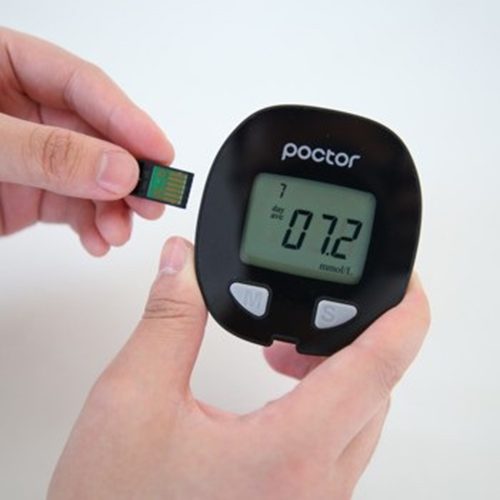
Point-of-care testing (POCT) has revolutionized the medical field by providing rapid and convenient diagnostic results. Among the various devices used in POCT, blood glucose meters hold a significant place due to their critical role in managing diabetes. This article explores the essentials of blood glucose meters within POCT analyzers, their working principles, the importance of blood glucose monitoring, and guidelines for accurate measurement and maintaining healthy blood glucose levels.
1. What is a POCT Analyzer?
POCT analyzers are diagnostic devices that allow medical testing at or near the site of patient care. Unlike traditional laboratory testing, which requires samples to be sent to a lab, POCT provides immediate results, enabling quicker decision-making and treatment. These analyzers are used in various settings, including hospitals, clinics, and even at home. They cover a range of tests, from blood glucose levels to cholesterol and electrolytes. POCT analyzers enhance the efficiency of healthcare by providing rapid and reliable diagnostic information.
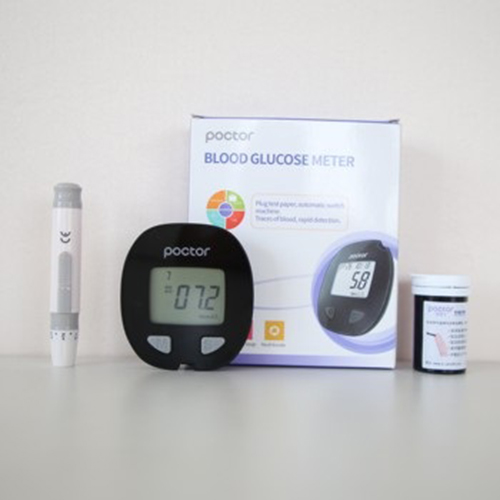
2. Basic Principles of Blood Glucose Meters
Blood glucose meters are designed to measure the concentration of glucose in the blood. The device typically consists of a lancet, test strips, and the meter itself. The basic principle involves a small blood sample, usually obtained by pricking the finger with the lancet. The blood is then applied to a test strip, which contains enzymes that react with the glucose in the blood. This reaction generates an electrical current, which the meter measures. The device then displays the blood glucose level on its screen. Modern blood glucose meters are highly accurate and provide results within seconds, making them essential for diabetes management.
3. Importance of Blood Glucose Monitoring
Regular monitoring of blood glucose levels is crucial for individuals with diabetes. It helps in managing the disease effectively by providing critical information about the patient’s blood sugar levels. Consistent monitoring can prevent severe complications such as hypoglycemia (low blood sugar) and hyperglycemia (high blood sugar), which can lead to serious health issues, including heart disease, nerve damage, and kidney failure. Blood glucose monitoring also helps patients understand how their diet, exercise, and medications affect their blood sugar levels, enabling them to make informed decisions about their lifestyle and treatment plans.
4. Steps for Operating a Blood Glucose Meter
Using a blood glucose meter is straightforward, but following the correct steps ensures accurate results. Here’s a step-by-step guide:
- Wash Hands: Clean hands with soap and warm water to avoid contamination.
- Prepare the Meter: Insert a new test strip into the meter.
- Use the Lancet: Prick the side of the fingertip with the lancet to obtain a small blood drop.
- Apply Blood to Test Strip: Place the blood drop on the test strip as directed.
- Read the Result: Wait for the meter to display the blood glucose level, usually within seconds.
- Record the Result: Keep a log of your readings to track your blood sugar levels over time.
5. Precautions for Accurate Blood Glucose Measurement
To ensure the accuracy of blood glucose readings, it is important to follow certain precautions:
- Use Fresh Test Strips: Always use test strips that are within their expiration date.
- Store Test Strips Properly: Keep test strips in a cool, dry place, and avoid exposing them to extreme temperatures.
- Calibrate the Meter: Some meters require calibration with control solutions to ensure accuracy.
- Follow Manufacturer Instructions: Adhere to the instructions provided by the manufacturer for both the meter and test strips.
- Avoid Contamination: Ensure that your hands are clean and dry before testing.
- Consistent Testing Time: Test your blood sugar levels at the same times each day to maintain consistency.
6. Maintaining Healthy Blood Glucose Levels
Managing blood glucose levels is a critical aspect of diabetes care. Here are some tips to help maintain healthy blood sugar levels:
- Balanced Diet: Consume a balanced diet rich in vegetables, whole grains, lean proteins, and healthy fats. Avoid excessive sugar and refined carbohydrates.
- Regular Exercise: Engage in regular physical activity, such as walking, swimming, or cycling, to help regulate blood sugar levels.
- Medication Adherence: Take prescribed medications as directed by your healthcare provider.
- Monitor Blood Sugar: Regularly check your blood sugar levels and keep a record to identify patterns and make necessary adjustments.
- Hydration: Drink plenty of water to stay hydrated and help your kidneys flush out excess glucose.
- Stress Management: Practice stress-relieving activities such as meditation, yoga, or deep breathing exercises, as stress can impact blood sugar levels.
- Regular Check-ups: Visit your healthcare provider regularly for check-ups and to discuss your diabetes management plan.