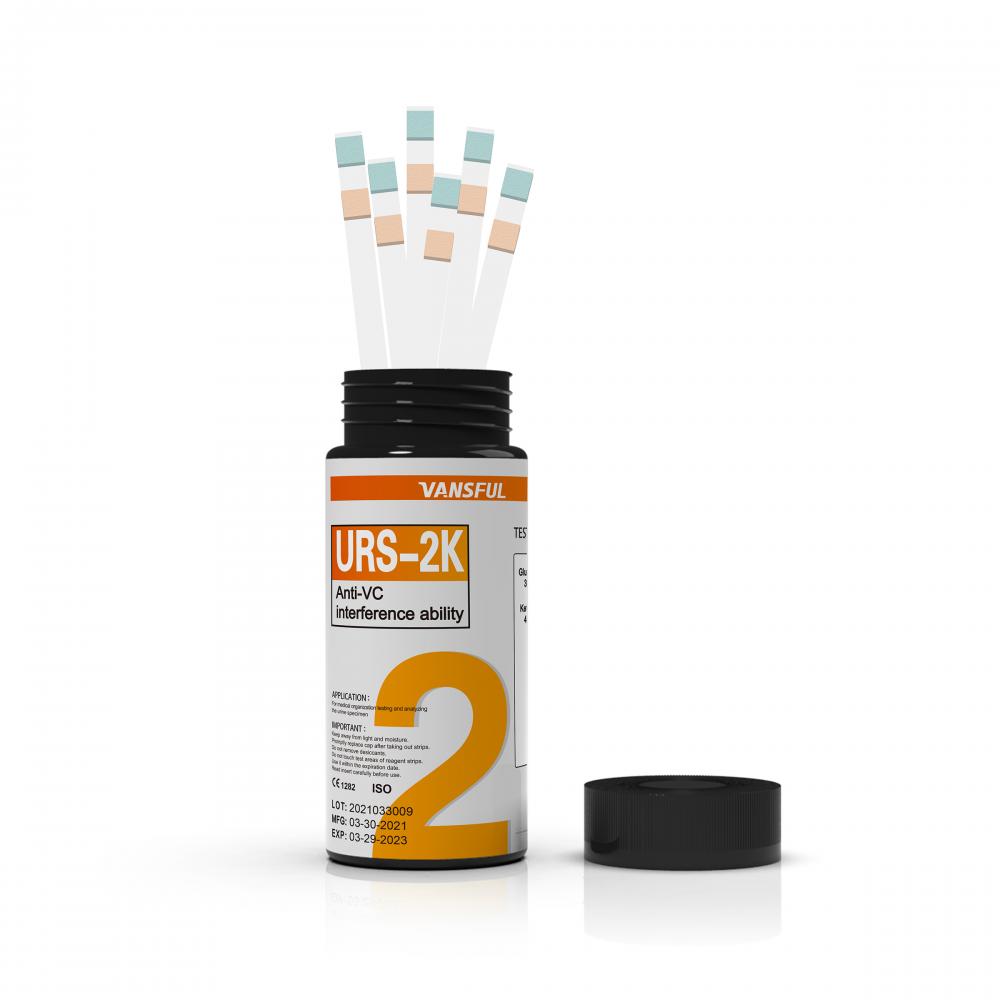
Urine check strips are essential tools in modern medical diagnostics, providing quick and reliable results for a variety of health indicators. This comprehensive guide explores the importance of urinalysis, the types of analyses, proper specimen collection, usage instructions, clinical significance of results, and maintenance and storage of urine check strips.
Introduction to Urine Check Strips
Urine check strips, also known as urinalysis reagent strips, are in vitro diagnostic tools used for qualitative and semi-quantitative analysis of urine samples. These strips can test for multiple parameters, including leukocytes, nitrite, urobilinogen, protein, pH, blood, specific gravity, ascorbic acid, ketone, bilirubin, glucose, microalbumin, creatinine, and calcium. By providing immediate feedback on these indicators, urine check strips play a critical role in the early detection and management of various health conditions.
Importance of Urinalysis in Diagnostics
Urinalysis is a fundamental diagnostic procedure in both routine health check-ups and specific medical investigations. It helps in detecting and monitoring a range of conditions, from urinary tract infections (UTIs) to chronic kidney disease and diabetes. The ability to quickly assess multiple health indicators through a simple urine sample makes urinalysis an invaluable tool in preventive healthcare and early diagnosis. The results obtained from urine check strips can guide further diagnostic testing and inform treatment decisions, ultimately improving patient outcomes.
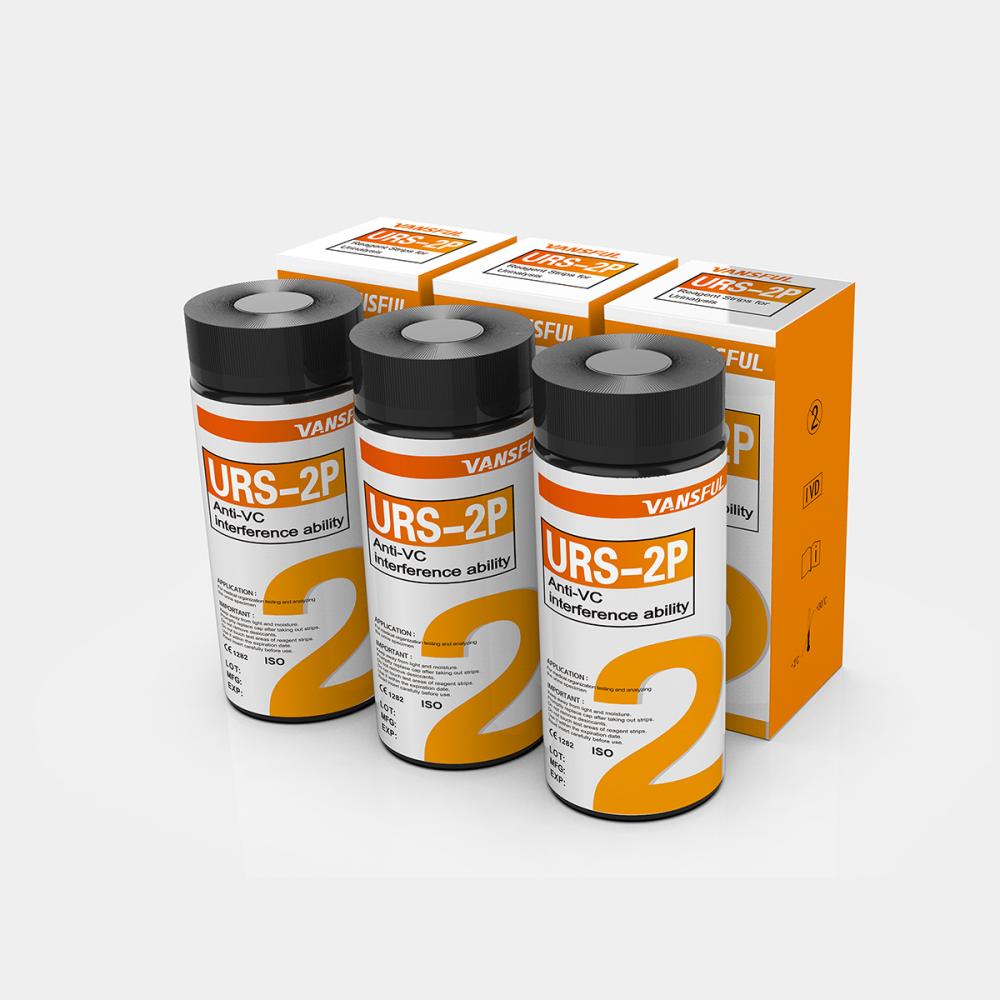
Qualitative and Semi-Quantitative Analysis
Urine check strips offer both qualitative and semi-quantitative analysis. Qualitative analysis provides a simple positive or negative result for the presence of specific substances, such as blood or nitrite, indicating potential infection or other health issues. Semi-quantitative analysis, on the other hand, provides an approximate measurement of the concentration of substances like glucose or protein. This dual functionality allows healthcare providers to quickly assess the severity of a condition and decide on the next steps for diagnosis and treatment.
Proper Specimen Collection Methods
Accurate urinalysis results depend significantly on proper specimen collection methods. It is crucial to use only clean, dry containers to collect urine samples. The sample should be well mixed before testing and ideally tested within two hours of collection to ensure reliability. Any operations related to specimen collection must be conducted in a clean environment to avoid contamination. Following these guidelines helps ensure that the results from urine check strips are accurate and reflective of the patient’s true health status.
Instructions for Using Urine Check Strips
Using urine check strips correctly is vital for obtaining accurate results. The procedure is straightforward but must be followed meticulously:
- Remove a strip from the bottle and immediately replace the cap to maintain the integrity of the remaining strips.
- Immerse the reagent area of the strip in the urine specimen briefly and then remove it quickly.
- Wipe off excess urine against the rim of the specimen container to avoid dilution or contamination of the test areas.
- Read the test results carefully within 60 seconds in good lighting, comparing the test areas to the color chart on the bottle label. Leukocytes results can be read within 120 seconds.
For instrumental readings, it is essential to follow the specific instructions provided in the operating manual of the instrument being used. Adhering to these steps ensures the reliability of the test results, providing accurate data for clinical assessment.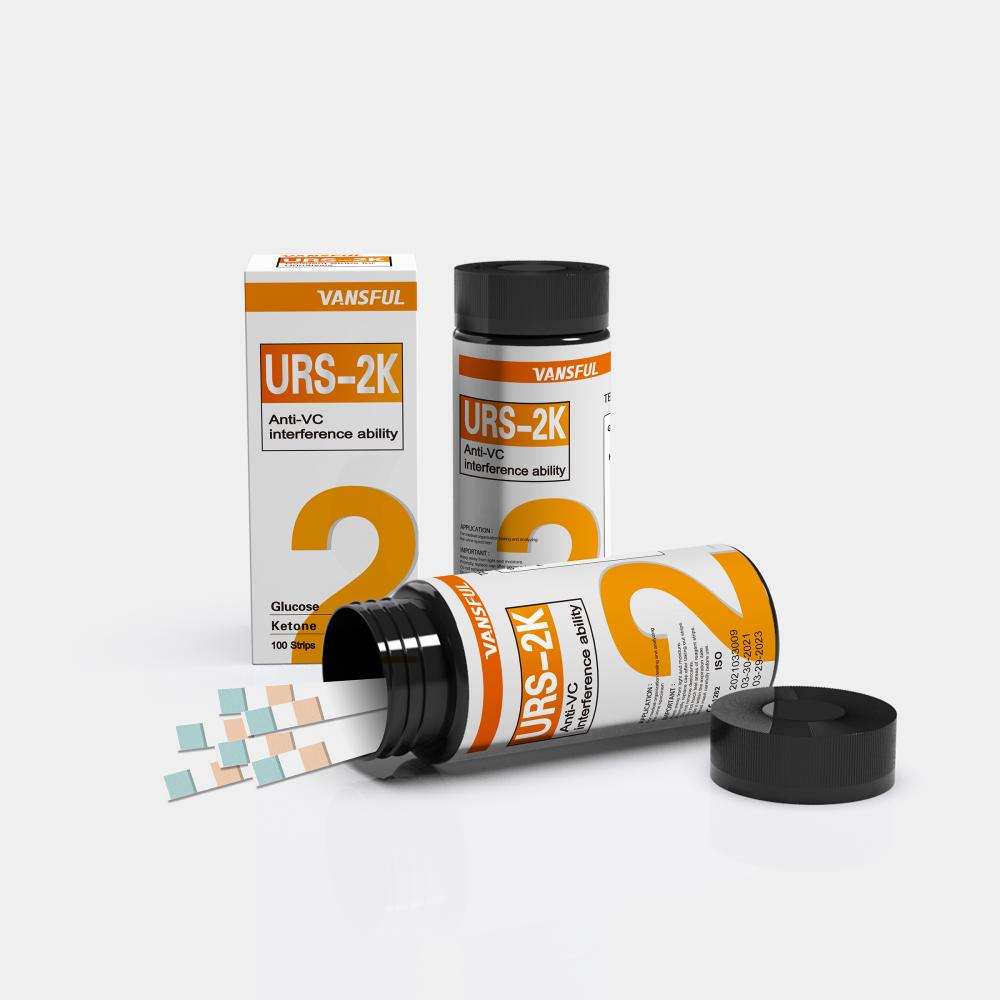
Clinical Significance of Test Results
The results from urine check strips provide valuable insights into a patient's health. Here is a brief overview of the clinical significance of some common test parameters:
- Leukocytes: The presence of leukocytes can indicate a urinary tract infection or inflammation.
- Nitrite: A positive nitrite test often suggests a bacterial infection in the urinary tract.
- Urobilinogen: Elevated levels can indicate liver disease or hemolytic disorders.
- Protein: Protein in the urine can be a sign of kidney disease or other conditions affecting renal function.
- pH: Abnormal pH levels can indicate metabolic or respiratory disturbances, urinary tract infection, or kidney stones.
- Blood: The presence of blood in urine may indicate infection, injury, kidney stones, or other serious conditions.
- Specific Gravity: This measures the concentration of urine and can indicate hydration status and kidney function.
- Ascorbic Acid: High levels can interfere with other tests, such as glucose or blood detection.
- Ketone: The presence of ketones can be a sign of diabetic ketoacidosis or other metabolic disorders.
- Bilirubin: Elevated bilirubin levels in urine can indicate liver disease or bile duct obstruction.
- Glucose: The presence of glucose in urine typically suggests diabetes or other metabolic disorders.
- Microalbumin: Microalbuminuria is an early indicator of kidney disease, particularly in diabetic patients.
- Creatinine: Creatinine levels help assess overall kidney function.
- Calcium: Elevated urinary calcium can indicate hypercalciuria, which is associated with kidney stones and other metabolic conditions.
Understanding these results enables healthcare providers to diagnose conditions accurately and to monitor the effectiveness of treatment plans.
Maintenance and Storage of Test Strips
Proper maintenance and storage of urine check strips are crucial to ensuring their accuracy and longevity. The following guidelines should be followed:
- Store strips in their original container with the cap tightly closed to protect them from moisture and light.
- Keep the strips at a stable temperature between 20℃ and 30℃, and avoid exposing them to high humidity or extreme temperatures.
- Check the expiration date regularly and dispose of any strips that have expired, as their accuracy can no longer be guaranteed.
- Handle strips with clean, dry hands to prevent contamination and ensure reliable results.
By adhering to these storage and handling practices, users can maintain the effectiveness of urine check strips and ensure accurate test results every time.