

The COVID-19 pandemic has brought about significant challenges in healthcare, necessitating the development and deployment of specialized medical products to manage the virus's spread and treat affected individuals. Among these essential products are COVID-19 antigen detection kits, virus sampling tubes, and medical face shields. Each plays a critical role in pandemic management, from diagnosing the virus to protecting healthcare workers. This article explores the importance and application of these three products in combating COVID-19.
1. COVID-19 Antigen Detection Kits: A Vital Diagnostic Tool
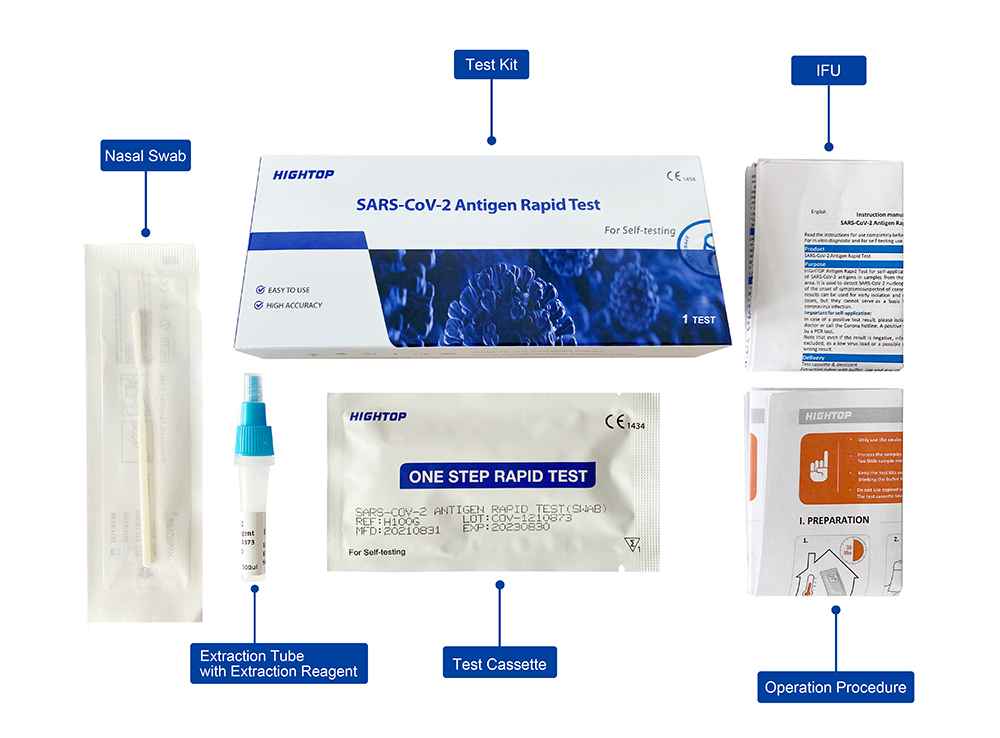
COVID-19 antigen detection kits have become a cornerstone in the early and rapid diagnosis of SARS-CoV-2, the virus responsible for COVID-19. These kits detect specific proteins (antigens) on the surface of the virus, providing results within minutes to hours, making them essential in both clinical settings and mass testing efforts.
a. How Antigen Detection Kits Work
Antigen detection kits are designed to identify the presence of viral proteins in a patient’s sample, typically obtained through a nasal or throat swab. The test is relatively simple: the sample is mixed with a solution that releases the viral proteins, which then interact with antibodies on a test strip. A positive result indicates the presence of the virus.
b. Advantages of Rapid Antigen Testing
Rapid antigen tests offer several advantages over other forms of testing, such as PCR tests. They are quicker, less expensive, and easier to administer, making them ideal for widespread use, especially in settings where time and resources are limited. Their rapid turnaround time is crucial for isolating infected individuals promptly, thereby reducing the risk of further transmission.
c. Limitations and Considerations
While antigen tests are highly useful, they are not without limitations. They are generally less sensitive than PCR tests, which means there is a higher chance of false negatives, especially in asymptomatic individuals or those in the early stages of infection. Thus, negative results from antigen tests are sometimes followed up with a PCR test for confirmation.
2. Virus Sampling Tubes: Ensuring Sample Integrity and Accurate Testing
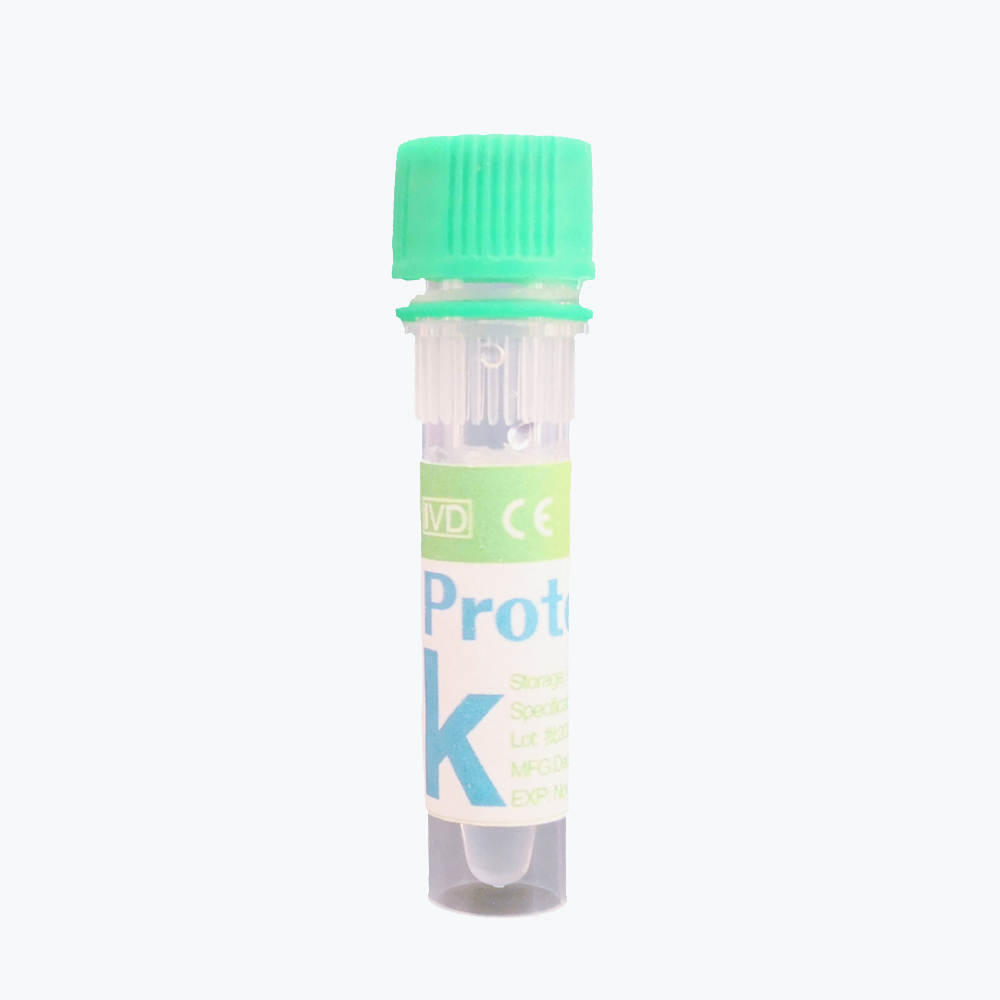
Virus sampling tubes are another critical component in the COVID-19 testing process. These tubes are used to collect, transport, and preserve clinical specimens from patients suspected of having COVID-19. The quality of the sampling tube directly impacts the accuracy and reliability of the diagnostic tests performed.
a. Composition and Functionality
Virus sampling tubes are typically pre-filled with a viral transport medium (VTM) that stabilizes the virus during transport from the collection site to the laboratory. The VTM protects the viral RNA from degradation, ensuring that the sample remains viable for accurate testing, whether by antigen detection, PCR, or other molecular methods.
b. Types of Virus Sampling Tubes
There are several types of virus sampling tubes, including those specifically designed for COVID-19 testing. Some tubes come with an integrated swab, while others require a separate swab. The choice of tube may depend on the testing method and the type of specimen being collected.
c. Importance in the Testing Process
The integrity of the sample is paramount in diagnostic testing. Poor sample collection or transportation can lead to inaccurate results, either false positives or false negatives. Virus sampling tubes play a critical role in maintaining the sample’s integrity, ensuring that the diagnostic tests yield reliable results.
3. Medical Face Shields: Protecting Frontline Workers
Medical face shields have emerged as a crucial element of personal protective equipment (PPE) for healthcare workers during the COVID-19 pandemic. These shields provide an additional layer of protection against respiratory droplets, which are the primary mode of transmission for the virus.
a. Design and Functionality
A medical face shield typically consists of a transparent plastic visor attached to a headband or helmet. The visor covers the entire face, extending below the chin and to the sides of the face, offering protection for the eyes, nose, and mouth from exposure to infectious droplets.
b. Advantages Over Other Forms of PPE
Face shields offer several advantages over other forms of PPE, such as goggles or face masks. They provide full-face coverage, are reusable after proper disinfection, and are generally more comfortable to wear for extended periods. Additionally, face shields reduce the risk of the wearer touching their face, which is a common way that viruses can be transmitted.
c. Role in Healthcare Settings
In healthcare settings, where exposure to COVID-19 is high, face shields are often used in conjunction with masks and other PPE to provide maximum protection. They are particularly important in situations where close contact with patients is unavoidable, such as during medical examinations, procedures, or patient care.
4. Integration and Collaboration: The Combined Use of Antigen Kits, Sampling Tubes, and Face Shields
The effectiveness of pandemic management relies on the seamless integration of various medical products. COVID-19 antigen detection kits, virus sampling tubes, and medical face shields are interdependent in their application.
a. Streamlining the Testing Process
Virus sampling tubes and antigen detection kits work hand-in-hand to streamline the testing process. High-quality sampling tubes ensure that the specimens remain viable for accurate antigen detection, while the rapid results from the antigen kits enable quick decision-making and isolation measures.
b. Ensuring Safety During Sample Collection
Medical face shields are vital during the sample collection process. Healthcare workers collecting samples are at a higher risk of exposure to the virus, making face shields an essential part of their protective gear. The combination of face shields with other PPE reduces the risk of transmission during close contact with potentially infectious patients.
c. Coordinated Response in Healthcare Settings
In healthcare settings, a coordinated response that includes the use of antigen kits for rapid diagnosis, virus sampling tubes for reliable specimen transport, and face shields for protection, is essential in managing COVID-19. This collaboration of products ensures that both patients and healthcare workers are protected while enabling efficient and accurate testing.
5. Future Implications: The Evolution of COVID-19 Medical Products
The development and use of COVID-19 medical products are continually evolving as the pandemic progresses. Innovations in antigen detection kits, virus sampling tubes, and face shields are likely to improve their effectiveness and accessibility.
a. Advancements in Rapid Testing
Future developments in antigen detection kits may include increased sensitivity and specificity, reducing the chances of false results. Enhanced manufacturing techniques could also make these kits more affordable and accessible in low-resource settings.
b. Innovations in Virus Sampling Technology
Virus sampling tubes may see innovations such as improved transport mediums that further extend the viability of samples or tubes that can be used for multiple types of diagnostic tests, including newer, faster testing methods.
c. Enhancements in PPE Design
The design of medical face shields is likely to evolve to offer better comfort and protection. Innovations could include more ergonomic designs, anti-fog visors, and even smart shields that integrate technology for monitoring exposure levels or communication with other healthcare devices.
6. Conclusion: The Collective Impact of Medical Products in the Fight Against COVID-19
The COVID-19 pandemic has underscored the importance of medical products such as antigen detection kits, virus sampling tubes, and medical face shields. These tools are vital in diagnosing the virus, ensuring the accuracy of tests, and protecting healthcare workers. As the pandemic continues, the ongoing development and integration of these products will play a crucial role in controlling the virus and protecting public health.