

Introduction to Magnetic Bead Nucleic Acid Extraction Reagent
Nucleic acid extraction is a critical step in molecular biology, essential for various applications such as genetic testing, disease diagnosis, and research. Traditionally, DNA and RNA extraction methods were labor-intensive, time-consuming, and required hazardous chemicals. The advent of Nucleic Acid Extraction Kits, especially those utilizing magnetic bead technology, has transformed this landscape. These kits leverage advancements in biological and nanomaterial sciences, offering a high-tech solution for efficient and safe nucleic acid extraction.This product holds a significant position in COVID-19 Medical Products
Advantages of Nucleic Acid Extraction Reagent
The magnetic bead method of nucleic acid extraction provides several advantages over traditional extraction methods. These include:
- High Efficiency and Purity: Magnetic beads specifically bind to nucleic acid molecules, resulting in high purity and high concentration of the extracted nucleic acid.
- Automation: The process is compatible with automated systems, facilitating large-scale operations and reducing manual labor.
- Speed: The entire extraction process can be completed in just 36-40 minutes, significantly faster than traditional methods.
- Safety: Unlike traditional methods that use toxic reagents such as benzene and chloroform, the magnetic bead method is non-toxic, minimizing risks to laboratory personnel and aligning with modern environmental protection standards.
- Versatility: This method can be applied to various sample types, including blood, animal tissues, food, and pathogenic microorganisms.
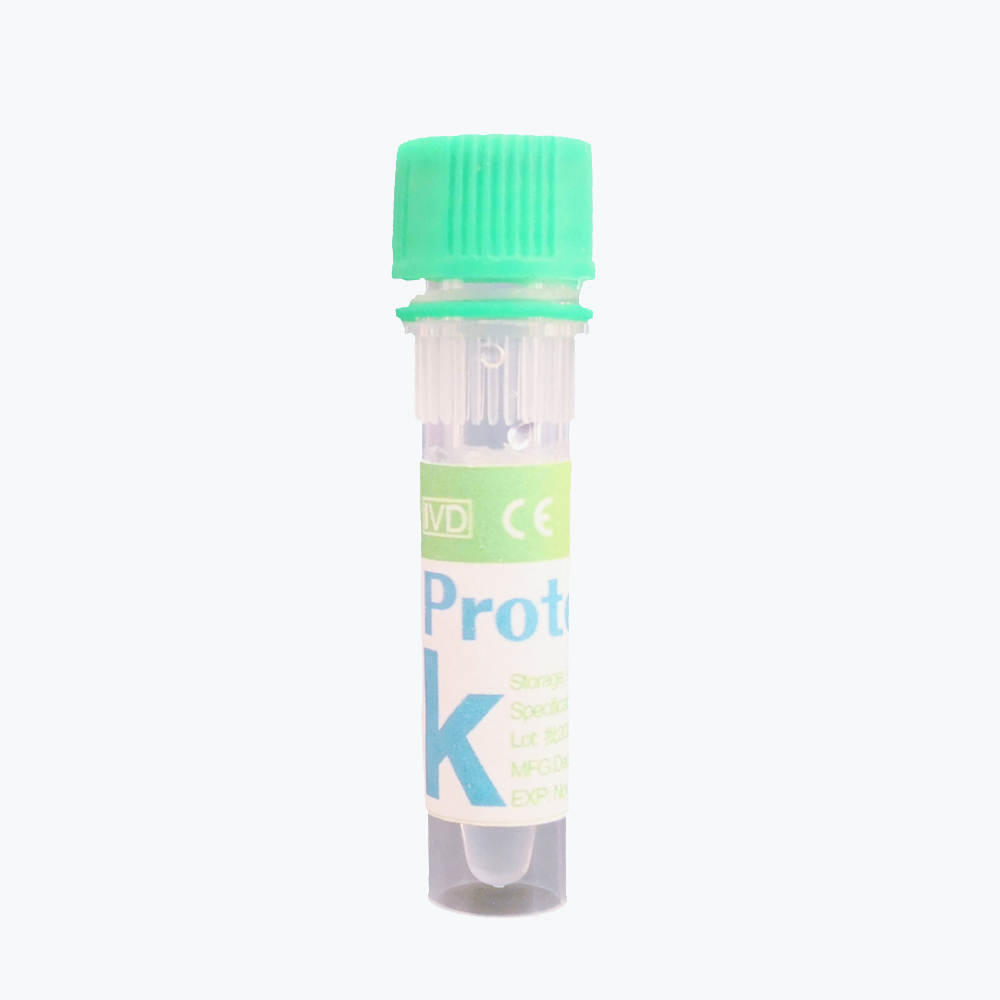
Automation in Nucleic Acid Extraction
Automation is a game-changer in nucleic acid extraction, offering precision, consistency, and scalability. Automated nucleic acid extraction systems, like those utilizing the magnetic bead method, streamline the process, allowing for high-throughput operations. These systems can handle multiple samples simultaneously, reducing the time and effort required for manual extraction.
Automated extraction systems enhance the reproducibility of results, a crucial factor in clinical and research settings. They also reduce the risk of human error, ensuring that the extraction process is performed consistently every time. By integrating automation, laboratories can meet the increasing demand for nucleic acid testing, especially in the context of public health emergencies and large-scale research projects.
High-Throughput Operations: 96-Well Plates
High-throughput operations are essential for modern molecular biology applications, particularly in settings that require the processing of large numbers of samples. The magnetic bead method supports high-throughput operations through the use of 96-well plates. These plates enable the simultaneous extraction of nucleic acids from 96 different samples in a single run.
The use of 96-well plates not only increases efficiency but also ensures that the extraction process is scalable. This capability is particularly valuable in clinical laboratories and research institutions where rapid and large-scale nucleic acid extraction is necessary. High-throughput extraction facilitates the timely analysis of samples, which is critical for disease diagnosis, monitoring outbreaks, and conducting extensive research studies.
Rapid Response to Infectious Disease Outbreaks
The ability to rapidly extract and analyze nucleic acids is crucial during infectious disease outbreaks. The magnetic bead method allows for quick and efficient processing of samples, enabling timely identification and response to pathogens. During an outbreak, the need for high-throughput testing becomes paramount, and the magnetic bead method's compatibility with automated systems ensures that large volumes of samples can be processed swiftly.
This rapid response capability is unmatched by traditional methods, which are slower and less scalable. The magnetic bead method's speed and efficiency help public health authorities and laboratories to quickly identify and track infectious agents, implement control measures, and mitigate the spread of disease. This technological advancement plays a vital role in safeguarding public health and managing infectious disease outbreaks effectively.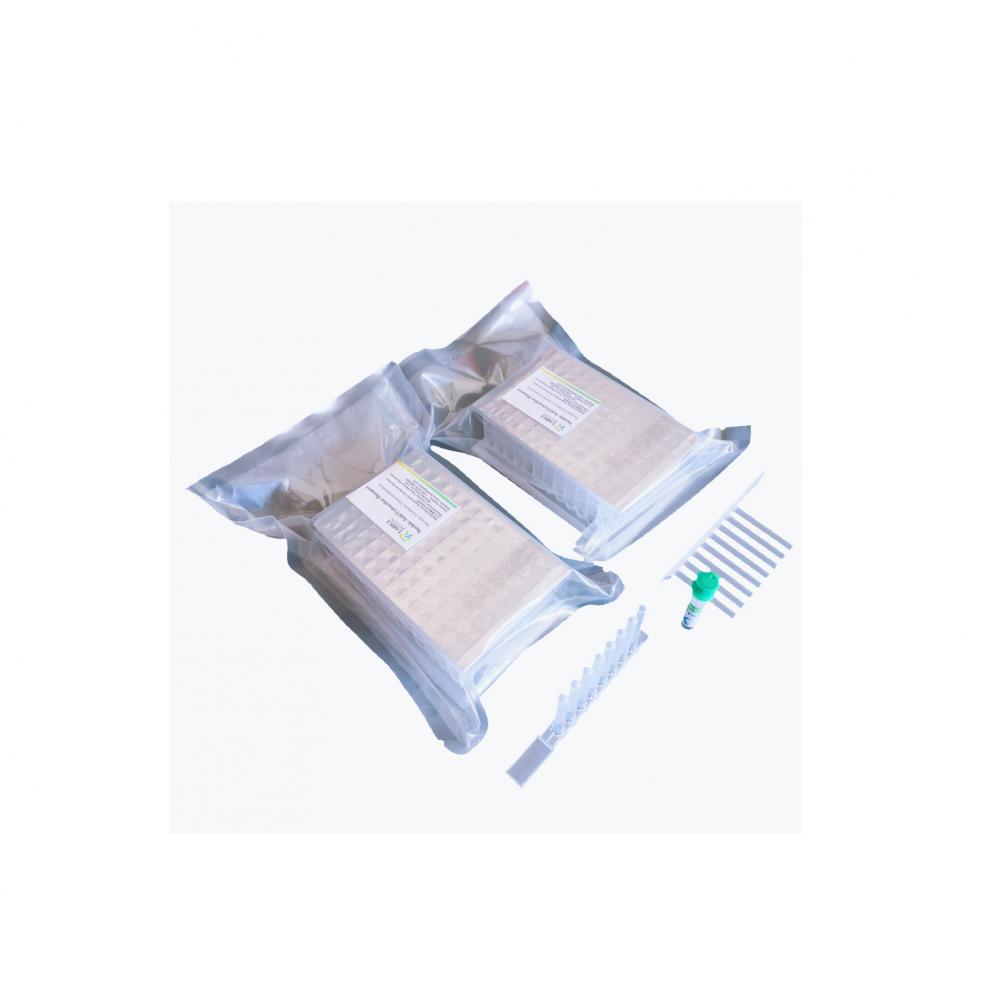
Simplifying the Extraction Process
One of the most significant benefits of the magnetic bead method is the simplification of the nucleic acid extraction process. Traditional extraction methods often involve multiple, complex steps and the use of hazardous chemicals. In contrast, the magnetic bead method streamlines the process into four main steps: lysis, binding, washing, and elution.
- Lysis: Breaking down the cell membrane to release nucleic acids.
- Binding: Magnetic beads specifically bind to the released nucleic acids.
- Washing: Removing impurities and contaminants from the bound nucleic acids.
- Elution: Releasing the purified nucleic acids from the magnetic beads.
This simplified workflow reduces the hands-on time required for extraction, making the process more user-friendly and accessible. It also minimizes the potential for errors and increases the overall efficiency of nucleic acid extraction. By simplifying the extraction process, the magnetic bead method enables more laboratories to adopt advanced nucleic acid extraction techniques, expanding the capabilities of molecular biology research and clinical diagnostics.