

In the dynamic field of medical diagnostics, certain tools and equipment play pivotal roles in ensuring accurate, timely, and reliable results. Among these, the Automatic Nucleic Acid Extractor, POCT (Point-of-Care Testing) Analyzer, and Virus Specimen Collection Tube stand out due to their critical contributions to disease detection, patient care, and overall healthcare efficiency. This article explores the importance and applications of these three medical products, highlighting their significance in modern healthcare.
1. Automatic Nucleic Acid Extractors: Precision and Efficiency in Molecular Diagnostics
Automatic Nucleic Acid Extractors have become indispensable in laboratories worldwide, particularly in the context of molecular diagnostics. These devices automate the extraction of nucleic acids (DNA or RNA) from various biological samples, streamlining what was once a labor-intensive process.
a. How Automatic Nucleic Acid Extractors Work
Automatic Nucleic Acid Extractors operate by using a series of chemical reactions and mechanical processes to isolate nucleic acids from other cellular components. This automation reduces the risk of contamination, increases throughput, and ensures consistent results across multiple samples. The extracted nucleic acids are then ready for use in diagnostic tests such as PCR, which is essential for detecting pathogens like viruses and bacteria.
b. Applications in Infectious Disease Testing
These extractors are especially crucial in the detection of infectious diseases, including COVID-19, HIV, and hepatitis. During the COVID-19 pandemic, for example, the ability to quickly and accurately extract viral RNA from patient samples was critical for mass testing efforts. The efficiency of Automatic Nucleic Acid Extractors allowed laboratories to process large volumes of samples, significantly contributing to the global response to the pandemic.
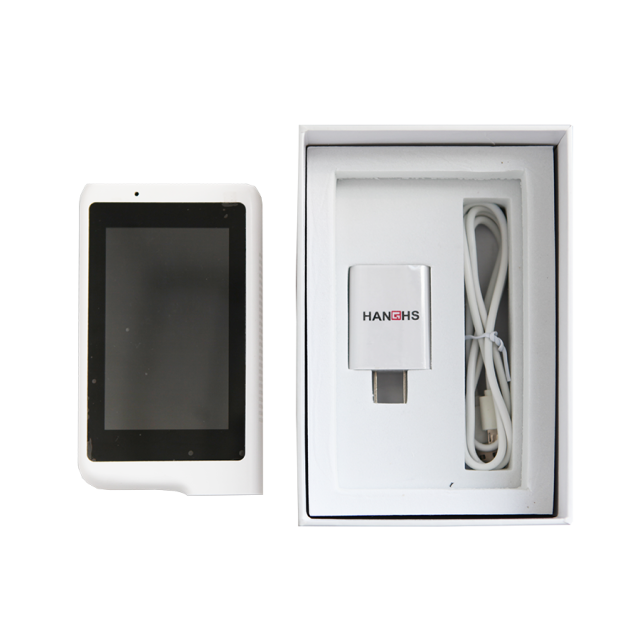
2. POCT Analyzers: Bringing Laboratory Testing to the Patient's Side
Point-of-Care Testing (POCT) Analyzers have revolutionized the way diagnostic tests are performed, allowing healthcare providers to obtain immediate results at the patient's side rather than sending samples to a central laboratory. This capability is particularly valuable in emergency situations and in settings where quick decision-making is crucial.
a. The Functionality of POCT Analyzers
POCT Analyzers are compact, portable devices that can perform a wide range of tests, including blood glucose monitoring, cardiac markers, infectious disease testing, and more. These analyzers typically use small sample volumes and provide results within minutes, enabling healthcare providers to make swift and informed decisions regarding patient care.
b. Importance in Emergency and Remote Care
In emergency rooms, urgent care centers, and remote locations, POCT Analyzers are invaluable. For example, in the case of suspected heart attacks, a POCT Analyzer can quickly measure cardiac markers like troponin, helping clinicians to diagnose the condition rapidly and initiate appropriate treatment. Similarly, in remote or resource-limited settings, these analyzers enable timely diagnosis of diseases like malaria or HIV, where access to centralized laboratory facilities may be limited.
3. Virus Specimen Collection Tubes: Ensuring Sample Integrity for Accurate Diagnosis
Virus Specimen Collection Tubes are a critical component of the diagnostic process, especially in the context of viral infections. These tubes are designed to collect, transport, and preserve virus-containing samples, ensuring that they remain viable for accurate analysis.
a. Design and Functionality of Virus Specimen Collection Tubes
Virus Specimen Collection Tubes are typically pre-filled with a viral transport medium (VTM) that stabilizes the virus in the sample during transport. The design of these tubes is crucial for maintaining the integrity of the sample, preventing degradation, and ensuring that the virus remains detectable until it can be analyzed in a laboratory. Many tubes also include a swab for sample collection, providing a complete and sterile system for specimen handling.
b. Role in COVID-19 Testing
During the COVID-19 pandemic, Virus Specimen Collection Tubes were essential for widespread testing efforts. Proper sample collection and transport are critical for accurate PCR testing, which is the gold standard for COVID-19 diagnosis. These tubes ensure that viral RNA remains stable from the point of collection to laboratory analysis, minimizing the risk of false negatives or inconclusive results.
4. Synergistic Use in Diagnostic Processes: The Combined Impact of Extractors, Analyzers, and Collection Tubes
The integration of Automatic Nucleic Acid Extractors, POCT Analyzers, and Virus Specimen Collection Tubes represents a powerful approach to diagnostic testing, particularly in the context of infectious diseases.
a. Streamlining Diagnostic Workflows
A typical diagnostic workflow might begin with the collection of a virus-containing sample using a Virus Specimen Collection Tube. The sample is then processed using an Automatic Nucleic Acid Extractor to isolate the nucleic acids required for analysis. Finally, a POCT Analyzer can be used to perform rapid testing, providing immediate results that can guide patient care decisions. This streamlined process improves efficiency and ensures that critical diagnostic information is available in a timely manner.
b. Enhancing Diagnostic Accuracy and Speed
Each of these tools plays a crucial role in ensuring the accuracy and speed of diagnostic testing. Virus Specimen Collection Tubes maintain sample integrity, Automatic Nucleic Acid Extractors provide high-purity nucleic acids, and POCT Analyzers deliver rapid results. Together, they enhance the overall diagnostic process, enabling healthcare providers to deliver more precise and timely care.
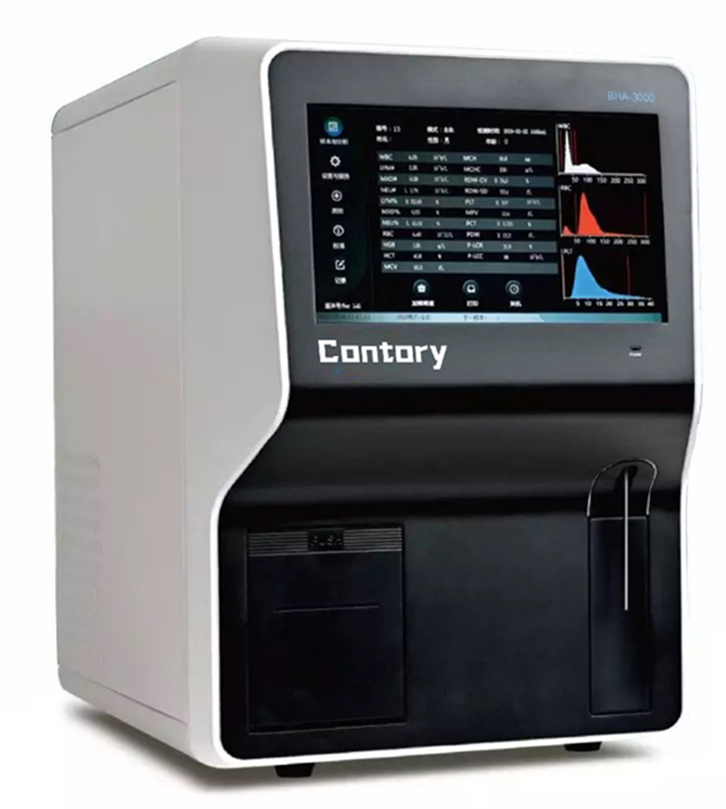
5. Future Directions: Innovations in Diagnostic Technology
As medical technology continues to evolve, so too will the capabilities of Automatic Nucleic Acid Extractors, POCT Analyzers, and Virus Specimen Collection Tubes. Future innovations are expected to focus on increasing automation, reducing costs, and expanding the range of applications for these critical tools.
a. Advancements in Nucleic Acid Extraction
The future of Automatic Nucleic Acid Extractors may see further miniaturization and increased automation, making these devices more accessible to a wider range of healthcare settings. Enhanced integration with other diagnostic platforms could streamline workflows even further, improving efficiency and reducing the time to diagnosis.
b. Next-Generation POCT Analyzers
POCT Analyzers are likely to continue evolving with the incorporation of artificial intelligence and advanced data analytics. These advancements could enable more complex diagnostic tests to be performed at the point of care, expanding the range of conditions that can be diagnosed rapidly and accurately.
6. The Essential Role of Diagnostic Tools in Modern Healthcare
Automatic Nucleic Acid Extractors, POCT Analyzers, and Virus Specimen Collection Tubes are essential components of modern diagnostic workflows. Their roles in ensuring accurate, timely, and reliable results are critical for patient care, public health, and disease control. As healthcare continues to evolve, these tools will remain at the forefront of efforts to improve diagnostic precision, efficiency, and accessibility, ultimately leading to better health outcomes for patients and communities worldwide.