

1. Viral Transportation Medium Tubes: Ensuring Safe and Effective Virus Transport
Viral Transportation Medium Tubes (VTM) are crucial for the safe collection, preservation, and transport of viral specimens. These tubes play a significant role in diagnostic testing, particularly for viral infections, by maintaining the integrity of samples until they reach the laboratory.
a. Design and Function of Viral Transportation Medium Tubes
VTM Tubes are designed to preserve viral specimens under conditions that prevent degradation and contamination. They typically contain a buffered solution that stabilizes the virus and ensures its viability for accurate testing. The tubes are usually equipped with secure caps to prevent leakage and contamination, making them essential for reliable sample handling and transport.
b. Role in COVID-19 and Other Viral Testing
During the COVID-19 pandemic, VTM Tubes became critical for collecting and transporting samples from individuals suspected of having the virus. They are used in conjunction with swabs to collect nasopharyngeal or oropharyngeal specimens, which are then transported to laboratories for PCR testing. VTM Tubes are also used for other viral infections, such as influenza and hepatitis, highlighting their versatility in diagnostic testing.
c. Advancements in VTM Technology
Recent advancements in VTM technology include the development of improved preservation solutions and enhanced tube designs to better maintain sample integrity. Innovations also focus on reducing the risk of contamination and improving the ease of use for healthcare providers. Some newer VTM Tubes come with integrated features for better sample collection and handling, streamlining the diagnostic process.
2. Urine Analyzers: Streamlining Urinary Diagnostics
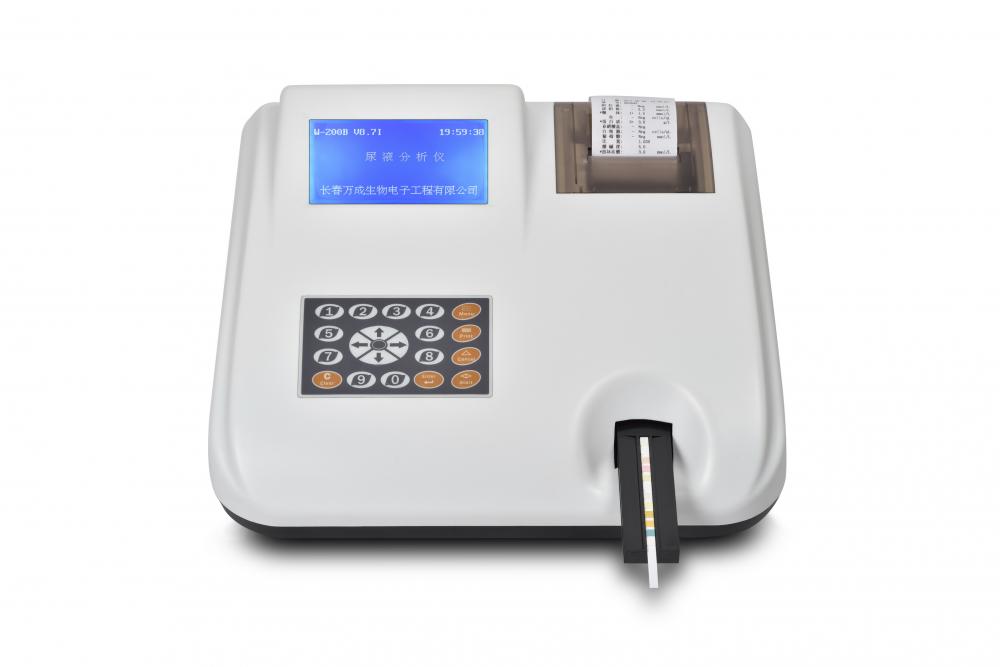
Urine Analyzers are essential tools used for the analysis of urine samples, providing valuable insights into various health conditions through simple and non-invasive testing. These analyzers are widely used in clinical settings for routine health screenings and diagnostic evaluations.
a. How Urine Analyzers Work
Urine Analyzers utilize different technologies to assess various parameters in urine, including pH, specific gravity, glucose, protein, and ketones. They often employ reagent strips that change color in response to specific substances in the urine, which are then read by the analyzer to provide quantitative results. Some advanced models use digital sensors and imaging technology for more accurate readings and comprehensive analysis.
b. Applications in Clinical Diagnostics
Urine Analyzers are valuable for diagnosing and monitoring a range of conditions, including diabetes, kidney disease, and urinary tract infections. They are commonly used in both inpatient and outpatient settings to quickly assess urinary health and guide treatment decisions. Regular urine testing can also help in managing chronic conditions and assessing the effectiveness of ongoing treatments.
c. Technological Advancements in Urine Analysis
Recent advancements in Urine Analyzers include the integration of automation, which reduces manual handling and increases throughput. Modern analyzers offer enhanced data management capabilities, allowing for seamless integration with electronic health records (EHR) and improved accuracy through advanced calibration methods. Innovations in sensor technology and reagent chemistry continue to enhance the precision and reliability of urine analysis.
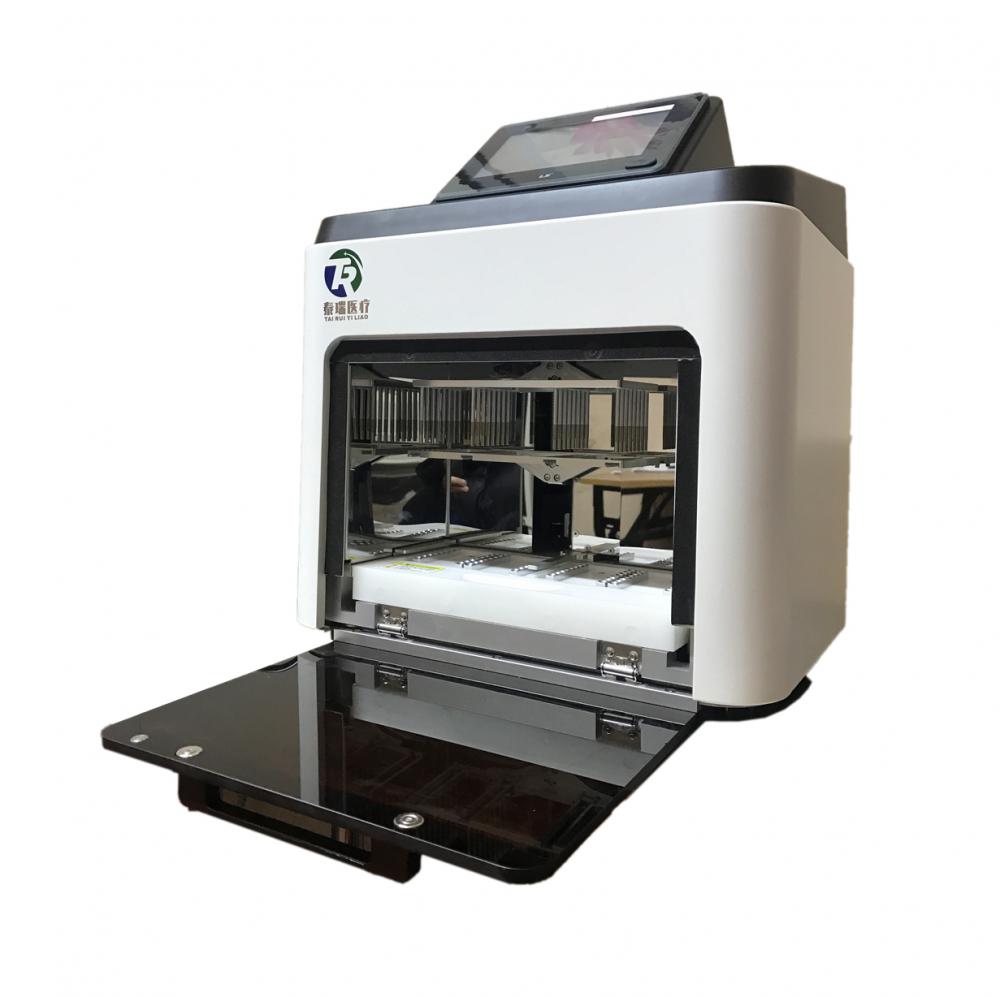
3. Automatic Nucleic Acid Extractors: Precision in Genetic Material Extraction
Automatic Nucleic Acid Extractors are sophisticated devices designed to automate the process of extracting DNA or RNA from biological samples. These extractors are critical for various molecular diagnostic applications, including genetic testing and research.
a. Functionality and Workflow of Automatic Nucleic Acid Extractors
Automatic Nucleic Acid Extractors streamline the extraction process by automating the steps involved, including sample preparation, lysis, and nucleic acid purification. These devices typically use magnetic bead technology or spin column methods to isolate and purify nucleic acids from samples. Automation reduces manual labor, minimizes the risk of contamination, and improves reproducibility in the extraction process.
b. Importance in Molecular Diagnostics
The use of Automatic Nucleic Acid Extractors is crucial in molecular diagnostics, where accurate and efficient extraction of genetic material is required for reliable test results. These extractors are used in various applications, including PCR testing for infectious diseases, genetic screening, and research studies. Their ability to handle multiple samples simultaneously enhances laboratory productivity and ensures consistent results.
c. Innovations and Future Directions
Innovations in Automatic Nucleic Acid Extractors include advancements in automation and integration with other laboratory systems. Newer models feature improved user interfaces, enhanced processing speeds, and compatibility with a wider range of sample types. Future developments may focus on further increasing automation levels, improving extraction efficiency, and integrating advanced technologies such as real-time monitoring and data analysis.
4. Integration of Viral Transportation Medium Tubes, Urine Analyzers, and Automatic Nucleic Acid Extractors in Healthcare
The integration of Viral Transportation Medium Tubes, Urine Analyzers, and Automatic Nucleic Acid Extractors enhances the overall diagnostic capabilities and efficiency of healthcare systems.
a. Improving Diagnostic Workflow Efficiency
Viral Transportation Medium Tubes facilitate the secure transport of viral samples to diagnostic laboratories, ensuring accurate and timely testing. Urine Analyzers provide rapid results for urinary diagnostics, and Automatic Nucleic Acid Extractors streamline the extraction of genetic material for molecular testing. Together, these technologies contribute to a more efficient diagnostic workflow, enabling faster and more accurate patient assessments.
b. Enhancing Patient Care and Safety
By improving diagnostic accuracy and speed, these tools contribute to better patient care and safety. Accurate viral testing and genetic analysis help in early detection and management of diseases, while efficient urine analysis aids in monitoring and treating various health conditions. The combined use of these technologies supports comprehensive patient care and effective disease management.
c. Addressing Diagnostic Challenges
The use of these technologies also helps address common diagnostic challenges, such as sample degradation, contamination, and manual errors. The automation and improved design of these tools reduce the likelihood of errors and ensure reliable results, which is essential for accurate diagnosis and treatment planning.
5. Future Trends and Innovations in Medical Diagnostics
As healthcare technology continues to advance, there are numerous opportunities for innovation in Viral Transportation Medium Tubes, Urine Analyzers, and Automatic Nucleic Acid Extractors.
a. Enhancements in VTM Tubes
Future developments in Viral Transportation Medium Tubes may focus on improving sample preservation solutions, enhancing tube designs for better sample handling, and integrating features for easier collection and transport. Innovations could also include more sustainable materials and improved safety features to reduce contamination risks.
b. Advancements in Urine Analyzers
Advancements in Urine Analyzers are likely to involve further automation, integration with digital health platforms, and improved analysis capabilities. The incorporation of AI and machine learning may enhance the accuracy of urine diagnostics and provide more detailed insights into urinary health.
c. Future Directions for Nucleic Acid Extractors
The future of Automatic Nucleic Acid Extractors may include innovations in automation, processing speed, and integration with other laboratory technologies. Developments in real-time monitoring, advanced purification techniques, and compatibility with diverse sample types could further enhance the capabilities of these devices.
6. The Impact of Essential Medical Technologies on Modern Healthcare
Viral Transportation Medium Tubes, Urine Analyzers, and Automatic Nucleic Acid Extractors are integral components of contemporary healthcare diagnostics. Their roles in ensuring accurate sample handling, efficient diagnostics, and reliable molecular testing are crucial for effective patient care and disease management. As technology continues to evolve, these tools will remain essential in advancing healthcare practices and improving outcomes for patients worldwide.