

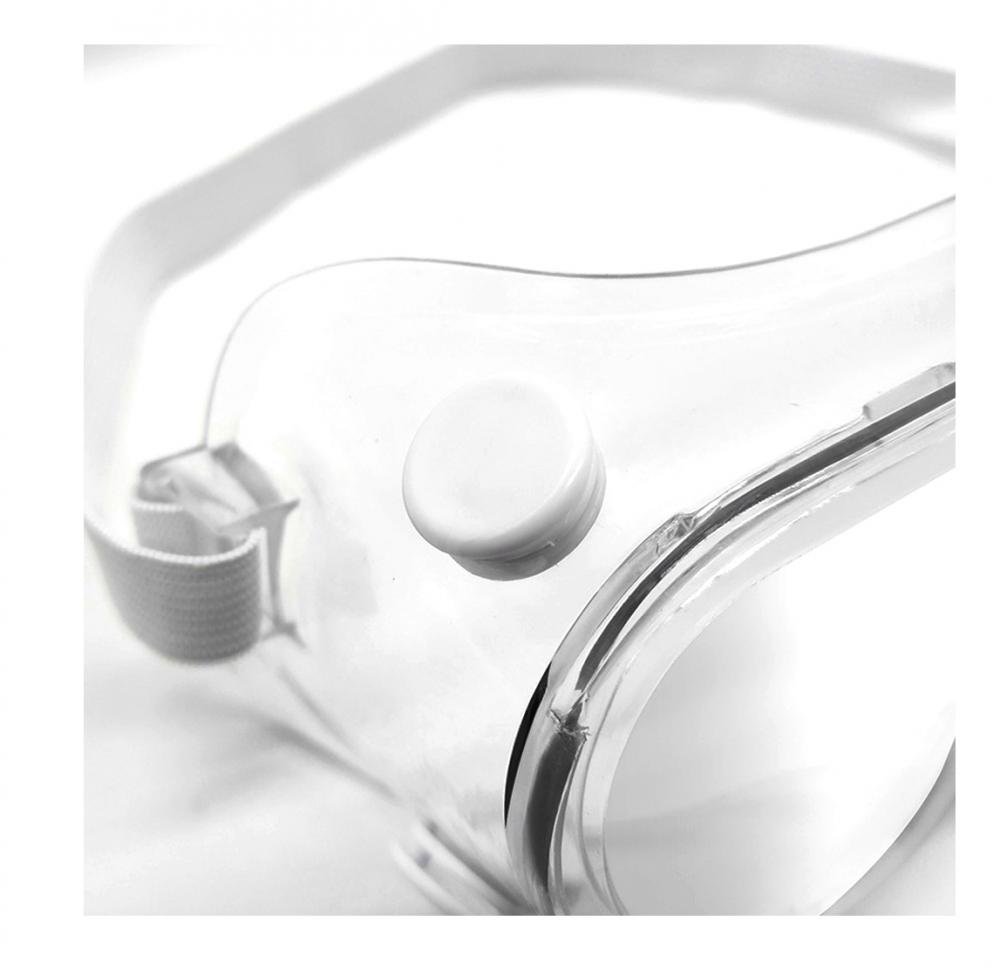
1. Medical Face Shields: Comprehensive Protection for Healthcare Professionals
Medical Face Shields are a crucial component of personal protective equipment (PPE), providing full-face coverage to protect healthcare workers from exposure to infectious agents and hazardous materials.
a. Importance of Medical Face Shields in Healthcare Settings
Medical Face Shields are designed to offer full facial protection, covering the eyes, nose, and mouth. This is particularly important in medical settings where healthcare workers are exposed to respiratory droplets, blood splashes, and other potentially infectious materials. The shield acts as a barrier, reducing the risk of transmission of diseases, including highly contagious viruses like SARS-CoV-2.
b. Design Features and Comfort
Medical Face Shields are typically made from transparent plastic materials that are lightweight and durable. They are designed to be worn over masks and goggles, providing an additional layer of protection. Key features include adjustable headbands for a secure fit, anti-fog coatings to maintain visibility, and sufficient space to ensure comfort during extended use. The clarity of the shield is essential, as it allows healthcare workers to maintain clear communication and perform their duties without obstruction.
c. Role During the COVID-19 Pandemic
During the COVID-19 pandemic, the use of Medical Face Shields became widespread as part of PPE protocols. Their ability to prevent the transmission of respiratory droplets was critical in protecting frontline workers. The pandemic highlighted the need for high-quality face shields that could be produced rapidly and distributed to healthcare facilities around the world.
2. Automatic Nucleic Acid Extractors: Revolutionizing Molecular Diagnostics
Automatic Nucleic Acid Extractors are sophisticated devices used to automate the extraction of DNA and RNA from biological samples, streamlining the process of molecular diagnostics.
a. Understanding Automatic Nucleic Acid Extractors
Automatic Nucleic Acid Extractors are designed to automate the complex process of nucleic acid extraction, which is the first step in many molecular diagnostic tests. These devices handle the entire process, from sample lysis to the purification of nucleic acids, ensuring consistent and high-quality results. Automation minimizes the risk of human error, reduces hands-on time, and allows for high-throughput processing of samples, which is especially important in large-scale diagnostic labs.
b. Applications in Molecular Diagnostics
The ability to efficiently extract high-purity DNA and RNA is critical for a wide range of applications, including the detection of infectious diseases, genetic testing, and cancer research. Automatic Nucleic Acid Extractors are used extensively in PCR-based diagnostics, where the quality of the extracted nucleic acids directly impacts the accuracy of the test. These devices are particularly valuable during pandemics, where rapid and reliable testing is crucial for controlling the spread of disease.
c. Technological Advancements in Nucleic Acid Extraction
Recent advancements in Automatic Nucleic Acid Extractors include improvements in automation protocols, integration with next-generation sequencing (NGS) platforms, and enhanced user interfaces for easier operation. These innovations have made the extraction process faster, more reliable, and accessible to a wider range of laboratories, including those in resource-limited settings.
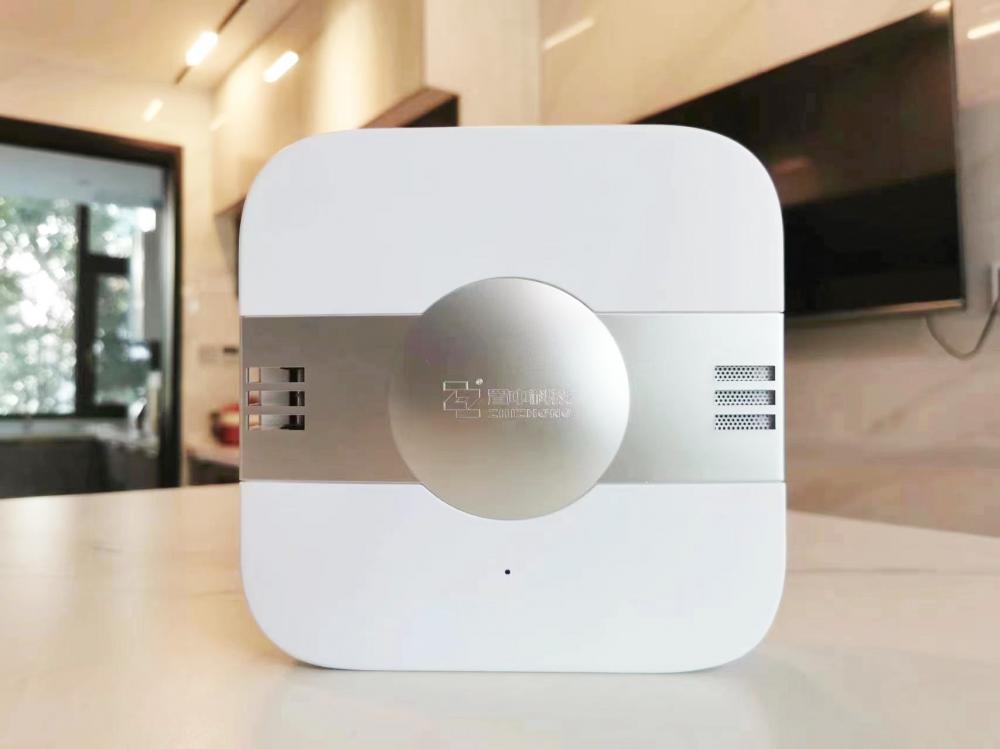
3. Air Purifiers: Enhancing Air Quality in Medical Environments
Air Purifiers play a vital role in maintaining clean and safe air in healthcare facilities, reducing the risk of airborne transmission of infectious diseases and improving overall air quality.
a. The Role of Air Purifiers in Healthcare
Air Purifiers are essential in healthcare settings where the quality of air can directly impact patient outcomes and the safety of healthcare workers. They work by filtering out airborne contaminants, including dust, allergens, bacteria, viruses, and chemical vapors. This is particularly important in areas like operating rooms, intensive care units, and patient wards, where maintaining a sterile environment is critical.
b. Types of Air Purifiers and Their Effectiveness
There are various types of Air Purifiers, including HEPA filters, UV-C light purifiers, and ionizers. HEPA filters are particularly effective at capturing particles as small as 0.3 microns, making them ideal for removing bacteria and viruses from the air. UV-C light purifiers use ultraviolet light to inactivate pathogens, while ionizers charge particles so they clump together and can be more easily filtered out. The choice of air purifier depends on the specific needs of the medical environment, with some facilities using a combination of technologies to maximize air purification.
c. Air Purifiers During the COVID-19 Pandemic
The COVID-19 pandemic underscored the importance of Air Purifiers in healthcare settings. As the virus is primarily transmitted through respiratory droplets and aerosols, ensuring clean air became a top priority. Air Purifiers with HEPA filters and UV-C light were widely adopted to reduce the concentration of viral particles in the air, helping to protect both patients and healthcare workers.
4. The Intersection of Medical Face Shields, Automatic Nucleic Acid Extractors, and Air Purifiers in Healthcare
The combined use of Medical Face Shields, Automatic Nucleic Acid Extractors, and Air Purifiers illustrates the integration of protective equipment, advanced diagnostics, and environmental controls in modern healthcare.
a. Enhancing Safety and Diagnostic Accuracy
Medical Face Shields provide frontline protection for healthcare workers, while Automatic Nucleic Acid Extractors ensure the accuracy and efficiency of molecular diagnostics. Air Purifiers contribute to a safer environment by reducing airborne pathogens. Together, these technologies create a comprehensive approach to healthcare that prioritizes safety, accuracy, and quality.
b. Supporting Pandemic Response Efforts
During the COVID-19 pandemic, the coordinated use of these products was crucial in managing the spread of the virus. Face Shields protected healthcare workers during close patient interactions, Automatic Nucleic Acid Extractors enabled rapid testing, and Air Purifiers helped maintain clean air in healthcare facilities. This multi-faceted approach was vital in reducing transmission and providing effective care.
c. Preparing for Future Healthcare Challenges
As the healthcare landscape continues to evolve, the importance of these products will only grow. Innovations in face shield design, nucleic acid extraction technology, and air purification methods will be essential in addressing future pandemics, improving patient outcomes, and ensuring the safety of healthcare workers. The integration of these technologies represents a proactive approach to healthcare, one that is capable of adapting to new challenges.
5. Future Directions in Medical Face Shields, Automatic Nucleic Acid Extractors, and Air Purifiers
The future of these medical products is shaped by ongoing innovations and the increasing demands of healthcare systems worldwide.
a. Innovations in Medical Face Shields
Future developments in Medical Face Shields may include improved materials that offer better protection without compromising visibility or comfort. Smart face shields with integrated communication devices or heads-up displays could enhance the functionality and efficiency of healthcare workers, especially in high-stress environments.
b. Advancements in Automatic Nucleic Acid Extractors
The next generation of Automatic Nucleic Acid Extractors will likely focus on further automation, reducing the need for manual intervention. Integration with artificial intelligence (AI) could enhance the accuracy and efficiency of the extraction process, while advancements in miniaturization may allow for more compact and portable devices suitable for point-of-care testing.
c. Evolving Air Purification Technologies
Air Purifiers will continue to evolve with advancements in filtration technology, including the development of more efficient and longer-lasting filters. The incorporation of smart technology could allow for real-time monitoring and adjustment of air quality, ensuring optimal performance in dynamic healthcare environments.
6. Conclusion: The Essential Role of Medical Face Shields, Automatic Nucleic Acid Extractors, and Air Purifiers in Healthcare
Medical Face Shields, Automatic Nucleic Acid Extractors, and Air Purifiers are critical components of modern healthcare. Each plays a unique and essential role in protecting healthcare workers, ensuring accurate diagnostics, and maintaining a safe environment for both patients and staff. As technology continues to advance, these products will remain at the forefront of healthcare innovation, contributing to better patient outcomes and a safer healthcare system. The integration of protective equipment, advanced diagnostic tools, and environmental controls reflects a comprehensive approach to healthcare, one that is essential for meeting the challenges of today and the future.