

1. Virus Specimen Collection Tubes: Ensuring Sample Integrity
Virus Specimen Collection Tubes are vital components in the diagnostic process, designed to safely and effectively collect and transport viral samples from patients to laboratories.
a. The Role of Virus Specimen Collection Tubes in Diagnostics
Virus Specimen Collection Tubes are specifically designed to preserve the integrity of viral samples during collection and transport. These tubes are typically pre-filled with a viral transport medium (VTM) that stabilizes the virus, preventing degradation and ensuring that the sample remains viable for accurate testing. The integrity of the sample is crucial for reliable diagnostics, especially in the detection of viral infections such as COVID-19, influenza, and other respiratory diseases.
b. Design and Features of Collection Tubes
Virus Specimen Collection Tubes are typically made from high-quality, sterile materials that prevent contamination. They come with secure caps to avoid leakage and are often labeled for easy identification. The transport medium inside the tube is formulated to maintain the virus in a stable state, preserving its RNA or DNA for subsequent extraction and analysis. These tubes may also include swabs that are specifically designed to collect samples from the nasopharyngeal or oropharyngeal regions.
c. Application During the COVID-19 Pandemic
During the COVID-19 pandemic, the use of Virus Specimen Collection Tubes became widespread as testing for the virus was ramped up globally. These tubes played a critical role in the accurate and timely diagnosis of COVID-19, enabling healthcare providers to identify and isolate infected individuals quickly, thereby reducing the spread of the virus.
2. POCT Analyzers: Bringing Diagnostics Closer to the Patient
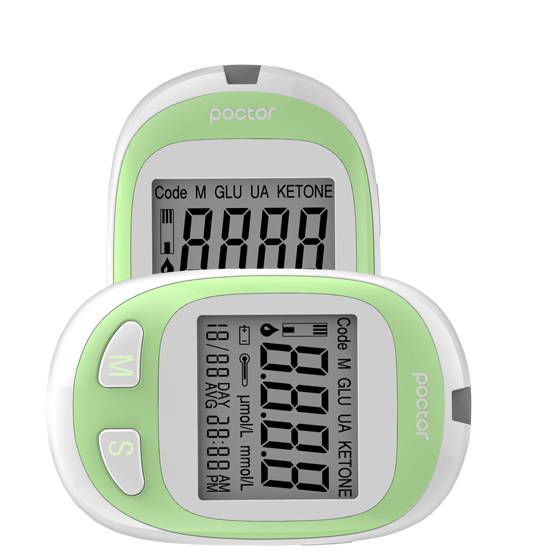
Point-of-Care Testing (POCT) Analyzers are devices that allow for rapid diagnostics at the patient’s side, providing immediate results that can inform treatment decisions.
a. Understanding POCT Analyzers and Their Benefits
POCT Analyzers are designed to perform a variety of diagnostic tests at or near the site of patient care, such as in clinics, emergency rooms, or even in the patient’s home. These devices provide quick results, often within minutes, which is critical for making timely medical decisions. POCT Analyzers are used for a range of tests, including blood glucose monitoring, cardiac markers, infectious disease detection, and more.
b. The Role of POCT Analyzers in Healthcare
The primary advantage of POCT Analyzers is their ability to deliver immediate diagnostic information, which is essential in emergency situations or in managing chronic conditions where timely intervention can significantly improve patient outcomes. These analyzers reduce the need for centralized laboratory testing, thereby decreasing turnaround times and improving the overall efficiency of healthcare services. They also enhance patient convenience, as testing can be done on-site without the need for laboratory visits.
c. Innovations and Advancements in POCT Technology
Recent advancements in POCT Analyzers include the development of multi-parameter devices that can perform several tests simultaneously, and integration with digital health platforms that allow for remote monitoring and data sharing. These innovations are expanding the scope and utility of POCT in both acute and chronic care settings, making it a versatile tool in modern healthcare.
3. Magnetic Bead Nucleic Acid Extraction Reagents: Precision in Molecular Diagnostics
Magnetic Bead Nucleic Acid Extraction Reagents are essential in the precise and efficient extraction of nucleic acids from biological samples, a critical step in molecular diagnostics.
a. The Science Behind Magnetic Bead Extraction
Magnetic Bead Nucleic Acid Extraction Reagents utilize magnetic beads coated with specific ligands that bind to nucleic acids, allowing for the separation and purification of DNA or RNA from complex biological samples. This method is highly efficient and scalable, making it ideal for high-throughput applications in clinical laboratories. The use of magnetic beads simplifies the extraction process, reduces contamination risk, and improves the yield and purity of the extracted nucleic acids.
b. Applications in Molecular Diagnostics
The accurate extraction of nucleic acids is a foundational step in many molecular diagnostic techniques, including PCR, qPCR, and next-generation sequencing (NGS). Magnetic Bead Nucleic Acid Extraction Reagents are widely used in diagnostic laboratories to prepare samples for the detection of pathogens, genetic mutations, and other biomarkers. These reagents are particularly valuable in the diagnosis of viral infections, where the quality of the extracted nucleic acids directly impacts the sensitivity and specificity of the tests.
c. Enhancements in Extraction Reagents
Recent developments in Magnetic Bead Nucleic Acid Extraction Reagents have focused on improving binding efficiency, reducing processing times, and enhancing compatibility with automated extraction systems. These improvements are driving greater adoption of magnetic bead-based extraction methods in laboratories worldwide, as they offer a reliable and cost-effective solution for high-quality nucleic acid purification.
4. Integration of Virus Specimen Collection Tubes, POCT Analyzers, and Magnetic Bead Extraction Reagents
The synergy between Virus Specimen Collection Tubes, POCT Analyzers, and Magnetic Bead Nucleic Acid Extraction Reagents represents a comprehensive approach to diagnostics in modern healthcare.
a. Streamlining the Diagnostic Workflow
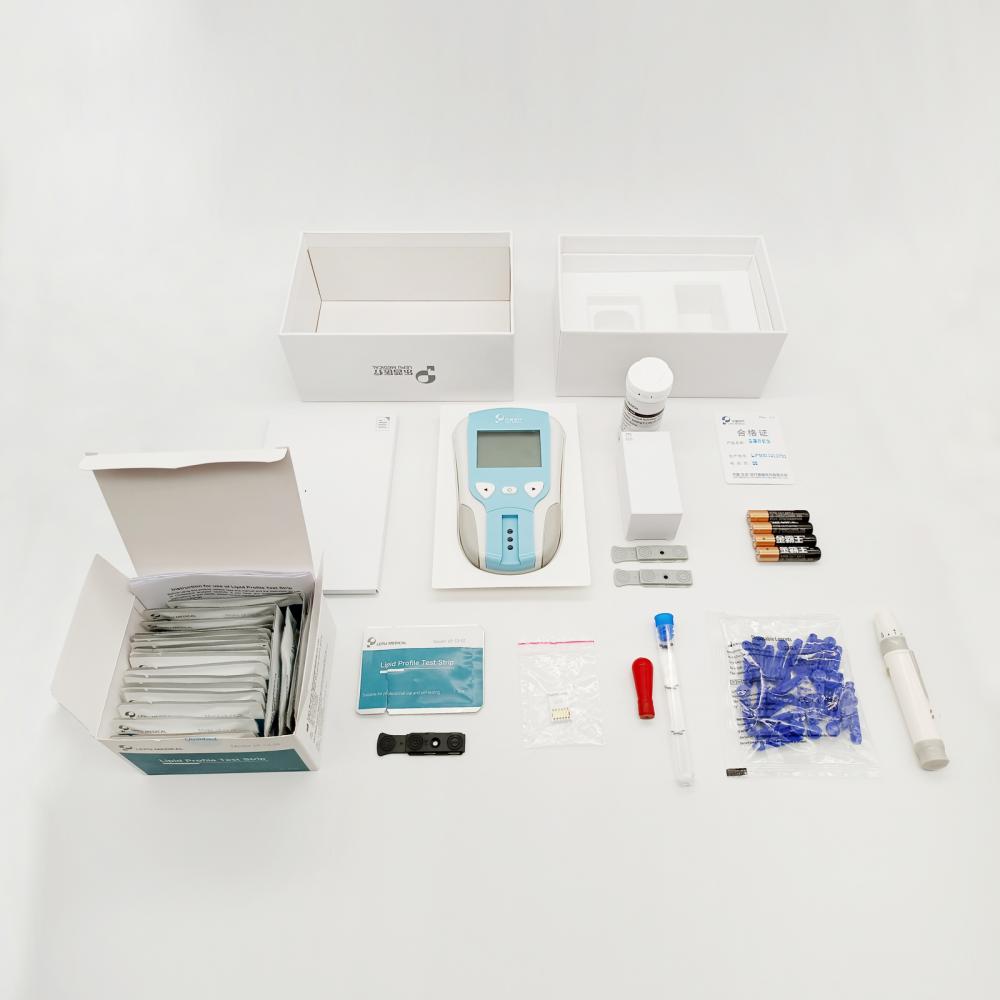
The integration of these three components can streamline the diagnostic process, from sample collection to result delivery. Virus Specimen Collection Tubes ensure the preservation of the sample, which is then analyzed using POCT Analyzers for immediate results. For more complex tests requiring molecular diagnostics, Magnetic Bead Nucleic Acid Extraction Reagents provide the necessary precision and purity in nucleic acid extraction, ensuring accurate and reliable results.
b. Enhancing Patient Outcomes Through Rapid Diagnostics
The combination of POCT Analyzers and high-quality nucleic acid extraction can significantly enhance patient outcomes by providing rapid and accurate diagnostics. This allows for the timely initiation of treatment protocols, which is crucial in managing infectious diseases and other acute conditions. The ability to perform these diagnostics close to the patient further reduces the time from testing to treatment, improving the overall efficiency of healthcare delivery.
c. Addressing the Challenges of Modern Healthcare
As healthcare systems face increasing demands, the need for efficient, accurate, and scalable diagnostic solutions has never been greater. The combination of Virus Specimen Collection Tubes, POCT Analyzers, and Magnetic Bead Nucleic Acid Extraction Reagents addresses these challenges by providing a robust framework for modern diagnostics. This integration supports the rapid response to emerging health threats, improves patient care, and enhances the overall resilience of healthcare systems.
5. Future Perspectives on Diagnostic Technologies
The future of diagnostics will continue to be shaped by advancements in these key technologies, driving improvements in accuracy, speed, and accessibility.
a. Innovations in Virus Specimen Collection Tubes
Future developments in Virus Specimen Collection Tubes may include enhanced preservatives that extend sample stability, allowing for longer transport times without compromising sample integrity. Additionally, advancements in tube materials could further reduce the risk of contamination and improve the ease of use, particularly in field settings.
b. Evolution of POCT Analyzers
POCT Analyzers are expected to become even more versatile, with the ability to perform a broader range of tests using a single device. Integration with mobile health technologies and artificial intelligence could provide real-time data analysis and decision support, further enhancing their utility in both clinical and remote settings.
c. Advances in Magnetic Bead Nucleic Acid Extraction
Magnetic Bead Nucleic Acid Extraction Reagents will continue to evolve, with improvements in bead design and reagent formulations that enhance binding specificity and efficiency. Future developments may also focus on reducing the cost and complexity of the extraction process, making these reagents more accessible to laboratories with limited resources.
6. Conclusion: The Essential Role of Virus Specimen Collection Tubes, POCT Analyzers, and Magnetic Bead Nucleic Acid Extraction Reagents
Virus Specimen Collection Tubes, POCT Analyzers, and Magnetic Bead Nucleic Acid Extraction Reagents are critical components in the diagnostic toolkit of modern healthcare. Each plays a unique and essential role in ensuring the accuracy, efficiency, and reliability of diagnostic processes. As technology continues to advance, these products will remain at the forefront of healthcare innovation, supporting the timely and effective diagnosis of diseases and improving patient outcomes across the globe. By integrating these technologies, healthcare providers can deliver faster, more accurate diagnostics, ultimately leading to better patient care and a more resilient healthcare system.