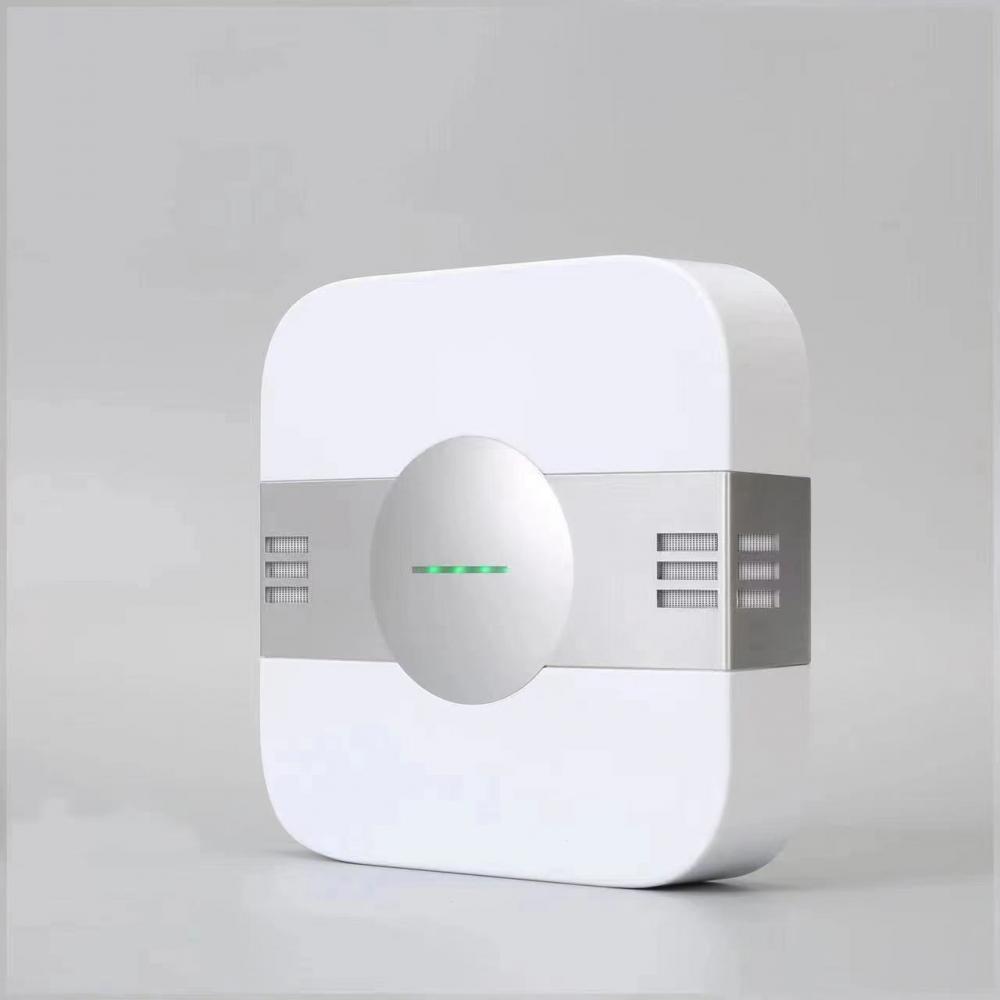
In today's world, where air quality is becoming an increasingly significant concern, air sterilizer machines are emerging as vital tools for improving indoor environments. These devices are designed to create healthier living spaces by targeting various pollutants and ensuring safety, particularly for children.Air Stereotzer Machines is a household medical instrument and equipment. The air disinfectant spray safe for babiesThis article explores the role of air purifier, delves into their safety features for children, explains their operating principles, examines their effectiveness against different pollutants, provides a guide for choosing the right model, and discusses future trends and innovations in this technology.
Safe for Children: A Key Consideration
One of the foremost concerns for parents when selecting an air sterilizer machine is ensuring that it is safe for children. Modern air sterilizer machines are crafted with a strong emphasis on safety. Advanced models use technologies like HEPA filters, UV-C light, and ionization, which work effectively to purify the air without exposing children to harmful substances. HEPA filters capture tiny particles such as dust and pollen, while UV-C light technology neutralizes bacteria and viruses without releasing harmful chemicals into the environment. Ionizers help remove pollutants from the air by emitting charged particles that cause contaminants to clump together and settle out of the air. Furthermore, many air sterilizers come equipped with safety features such as child locks and automatic shut-off functions to prevent accidents. By checking product specifications and customer reviews, parents can ensure that the chosen machine includes these important safety features.
Understanding the Science Behind Air Sterilizer Machines
To appreciate the role of air air disinfector, it is essential to understand the technologies that power them. HEPA filters are a cornerstone of air purification, designed to capture particles as small as 0.3 microns with 99.97% efficiency. This technology works by forcing air through a dense mat of fibers that trap particles, preventing them from circulating back into the room. UV-C light technology, another critical component, works by destroying the DNA of microorganisms, including bacteria, viruses, and mold spores. This process neutralizes these harmful agents, rendering them inactive and preventing their reproduction. Additionally, ionization technology releases negative ions into the air, which attach to pollutants and cause them to fall out of the air. These methods, often used in combination, provide comprehensive air purification solutions.
How Air Sterilizer Machines Combat Multiple Pollutants
Air sterilizer machines are designed to handle a variety of indoor pollutants, making them versatile tools for maintaining air quality. They are equipped to address particulate matter, microorganisms, odors, and allergens. HEPA filters excel at capturing particulate pollutants like dust, pollen, and pet dander. UV-C light technology focuses on neutralizing microorganisms, ensuring that bacteria and viruses are eliminated from the air. For dealing with odors and chemical pollutants, many machines incorporate activated carbon filters that absorb these unwanted substances. Additionally, the ionization process aids in removing allergens and other particles from the air. By addressing these diverse pollutants, air sterilizer machines help create a healthier and more comfortable indoor environment.
A Comprehensive Guide to Choosing the Right Air Sterilizer Machine
When it comes to selecting the right air sterilizer machine for your needs, several factors should be considered. First and foremost, you need to choose a machine that is appropriate for the size of the room where it will be used. Look for models that specify their coverage area or Clean Air Delivery Rate (CADR) to ensure they can effectively handle the space. Consider the type of technology that best suits your needs—whether it's HEPA filters for allergens, UV-C light for microorganisms, or ionizers for general air purification. Maintenance is another crucial factor; ensure that the filters are easy to replace and that you are aware of the cost of replacement parts. Additionally, consider the noise levels of the machine, especially if it will be used in quiet environments like bedrooms or offices. Energy efficiency is also important, as selecting an energy-efficient model can help keep electricity costs down. By evaluating these aspects, you can make an informed decision that best fits your specific requirements.
Key Factors to Consider When Choosing an Air Sterilizer Machine
In addition to basic features, there are several key factors to consider when choosing an air sterilizer machine. Look for certifications such as the AHAM Seal of Approval or ENERGY STAR rating, which indicate that the machine meets high standards of performance and efficiency. Additional features, such as air quality sensors, remote controls, or smartphone apps, can enhance the usability and functionality of the machine. It is also essential to research the brand's reputation and read customer reviews to ensure that you are investing in a reliable and effective product. These considerations will help you select a machine that not only meets your needs but also offers long-term satisfaction.
Future Directions and Innovations in Air Sterilizer Machines
The future of air sterilizer machines is filled with exciting possibilities, driven by ongoing research and technological advancements. One area of focus is the development of advanced filtration technologies, with new materials and designs being explored to enhance performance and extend filter lifespans. The integration of smart features is also on the rise, with innovations in Internet of Things (IoT) technology allowing for more intuitive control and monitoring of air quality. Additionally, there is a growing emphasis on eco-friendly designs, with efforts aimed at creating sustainable materials and energy-efficient technologies. Enhanced multi-pollutant handling capabilities are another area of development, with future machines expected to offer even more sophisticated solutions for managing a wide range of indoor pollutants. These advancements will ensure that air sterilizer machines continue to evolve, providing increasingly effective and innovative ways to maintain clean and healthy indoor environments.